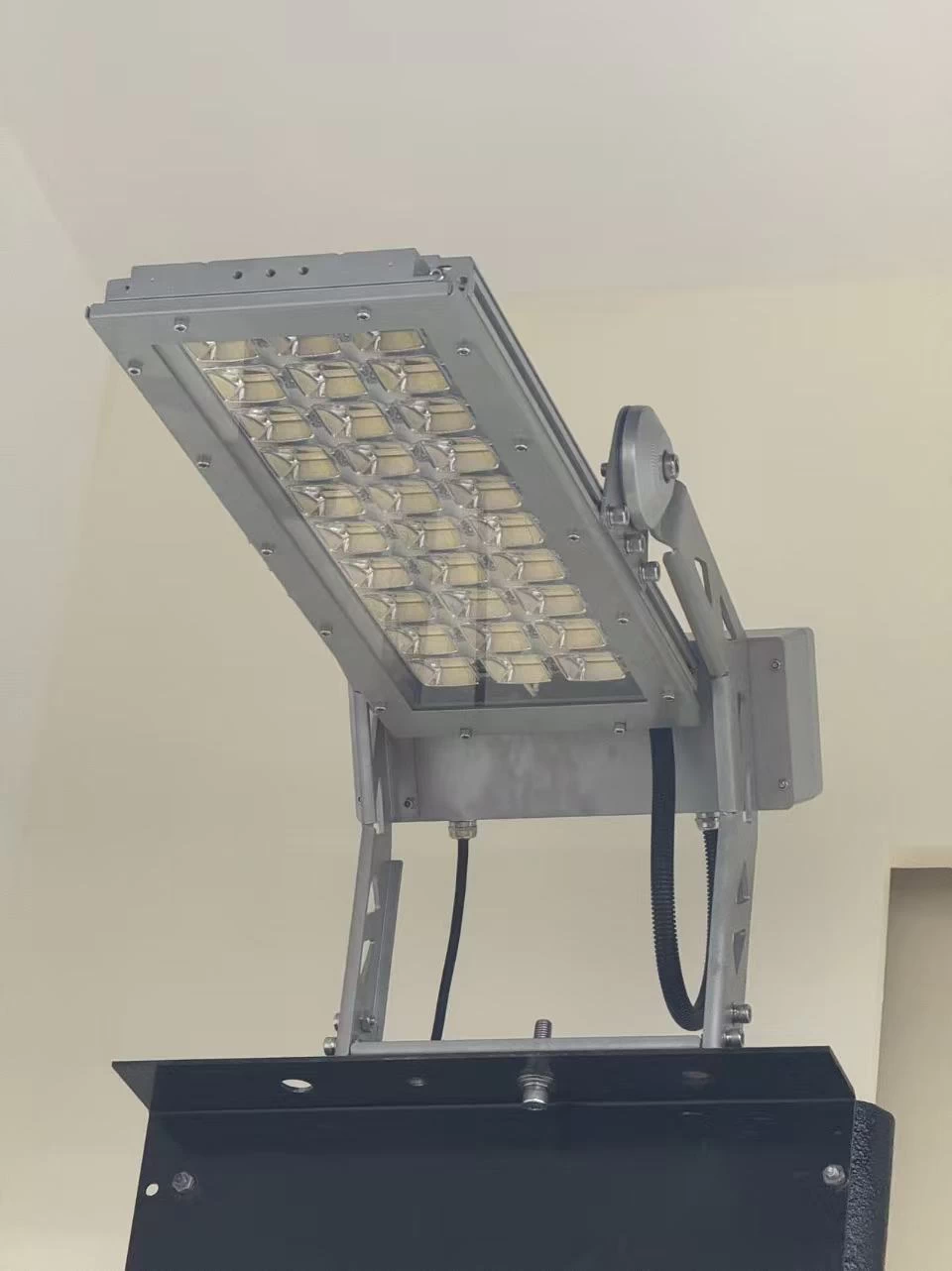
What is Industrial and Commercial LED Outdoor Lighting?
Industrial and commercial outdoor LED lighting refers to main lighting systems used in small to large outdoor areas. Their core objectives are functionality, safety, and productivity. They provide stable, sufficient, and uniform light at night to ensure the normal operation of outdoor activities and various tasks.
Fundamentally different from small, decorative, or atmospheric outdoor LED lighting, industrial and commercial types focus on illuminance, uniformity, and light distribution, rather than simply decorative effects. The performance requirements for these lighting are extremely stringent, demanding not only high lumens and professional optical design but also the ability to withstand the continuous degradation of harsh outdoor environments.
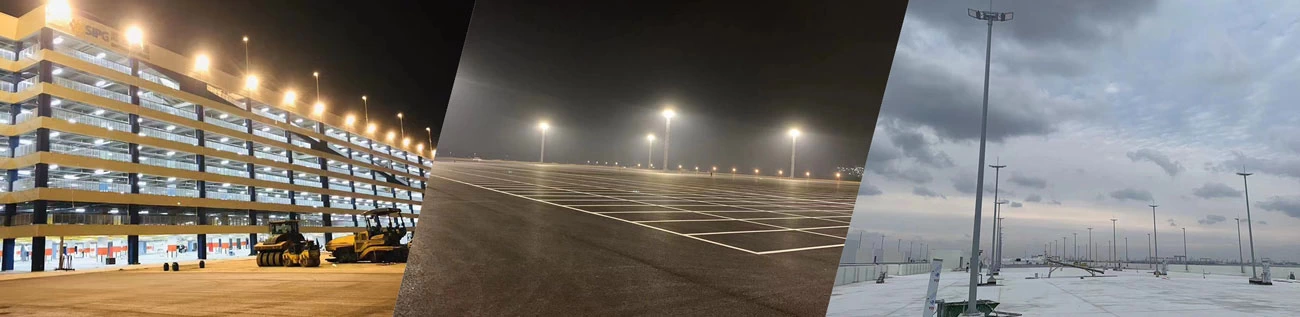
LEDs have gradually replaced traditional light sources such as HPS and MH, becoming the primary solution for industrial and commercial outdoor lighting. They prioritize lighting quality, durability, public safety, and reduced energy costs. Significantly improved nighttime outdoor visibility; typical illuminated areas include:
Industrial and Commercial LED Outdoor Lights
High-quality outdoor industrial and commercial LED lights must withstand harsh weather conditions such as rain, strong winds, ultraviolet radiation, and lightning; otherwise, the fixtures will flicker, short-circuit, or even burn out within a short period. Secondly, they must have sufficient lumen output or precise light distribution to prevent severe light diffusion, which could lead to insufficient ground brightness.
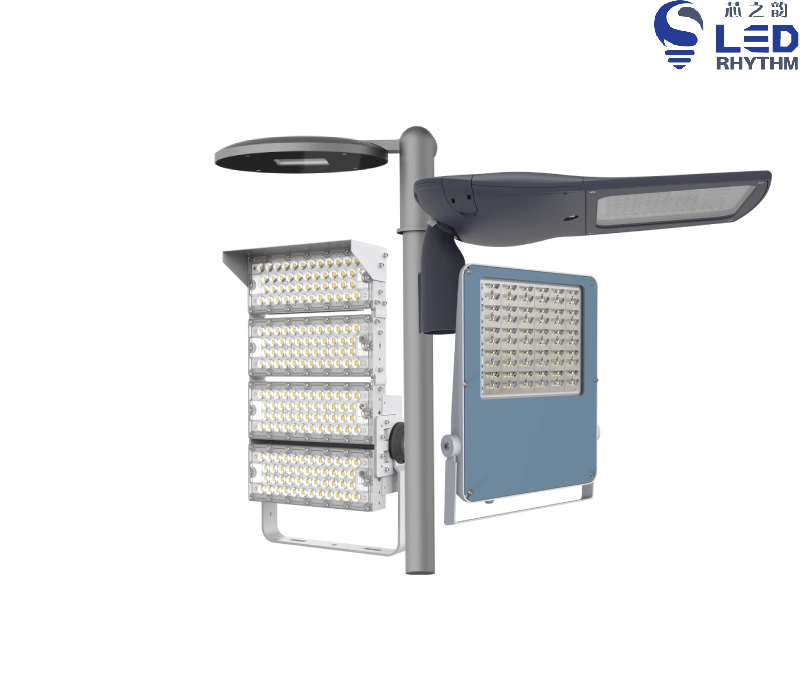
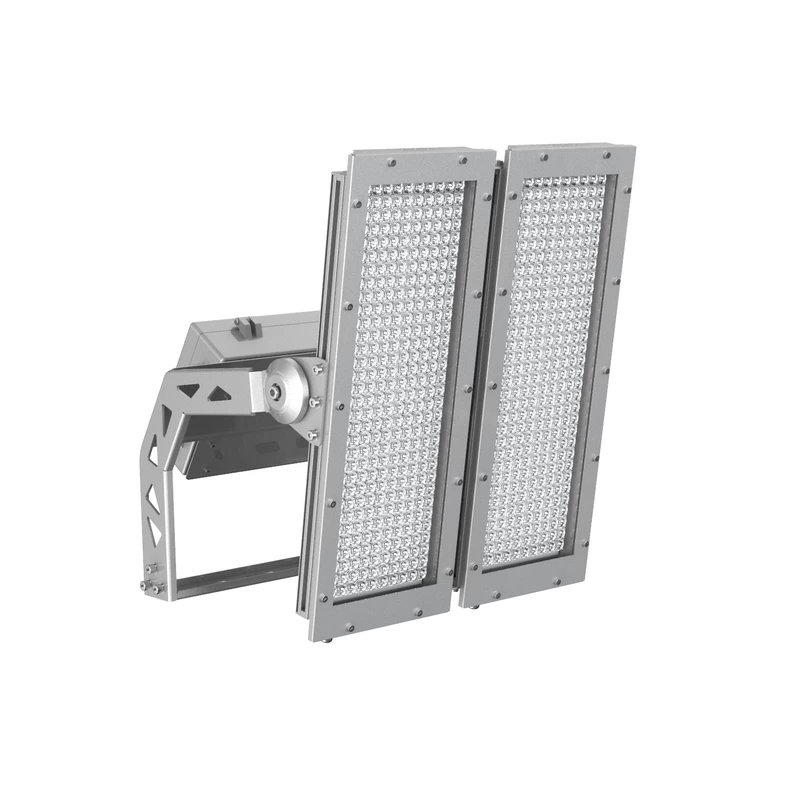
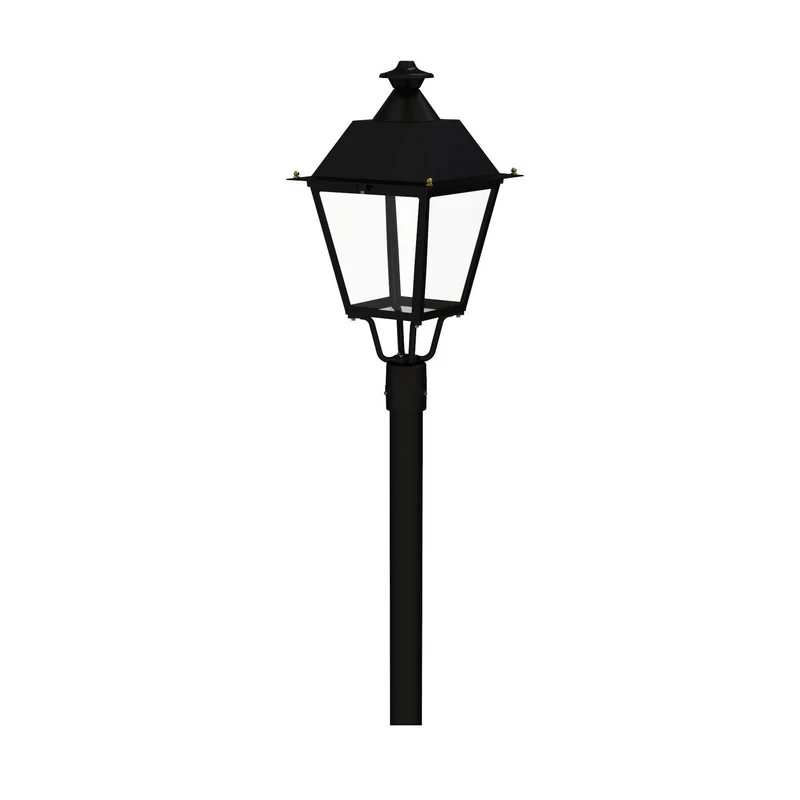
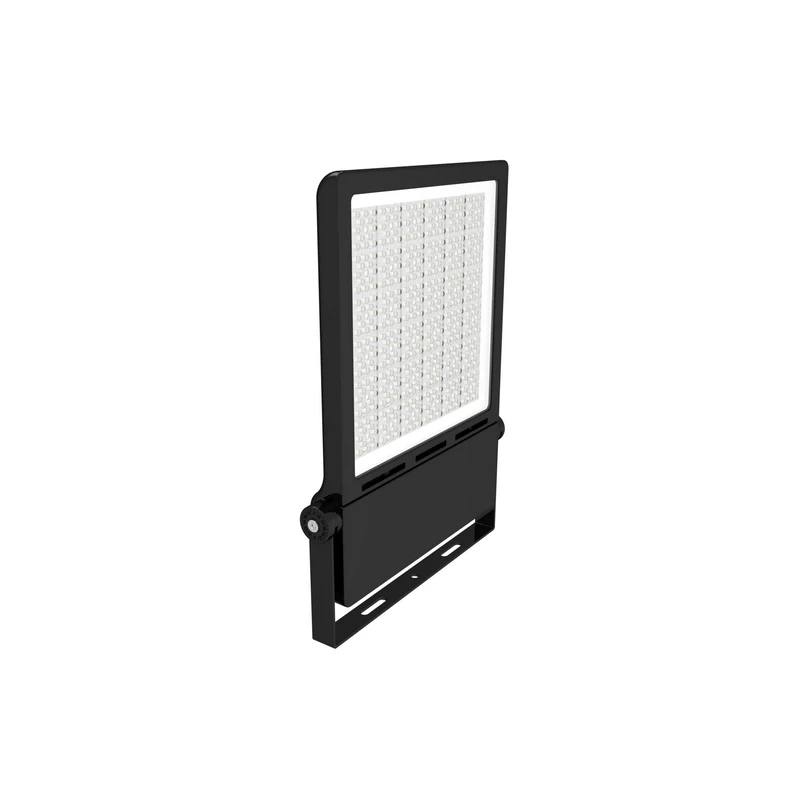
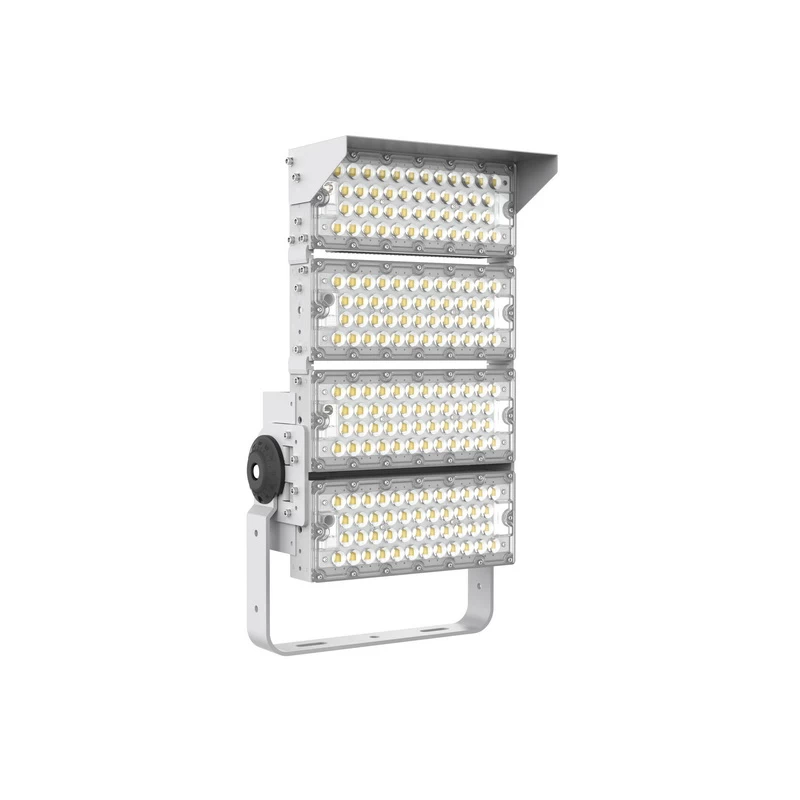
The lighting needs of different industrial and commercial outdoor areas vary significantly. Some require soft, comfortable light, others prioritize lower glare, while still others emphasize bright, focused illumination. Depending on the lighting range and installation height, different types of outdoor LED lighting fixtures must be selected flexibly. LEDRHYTHM primarily offers LED flood lights, LED street lights, and LED post top lights, each with its own advantages.
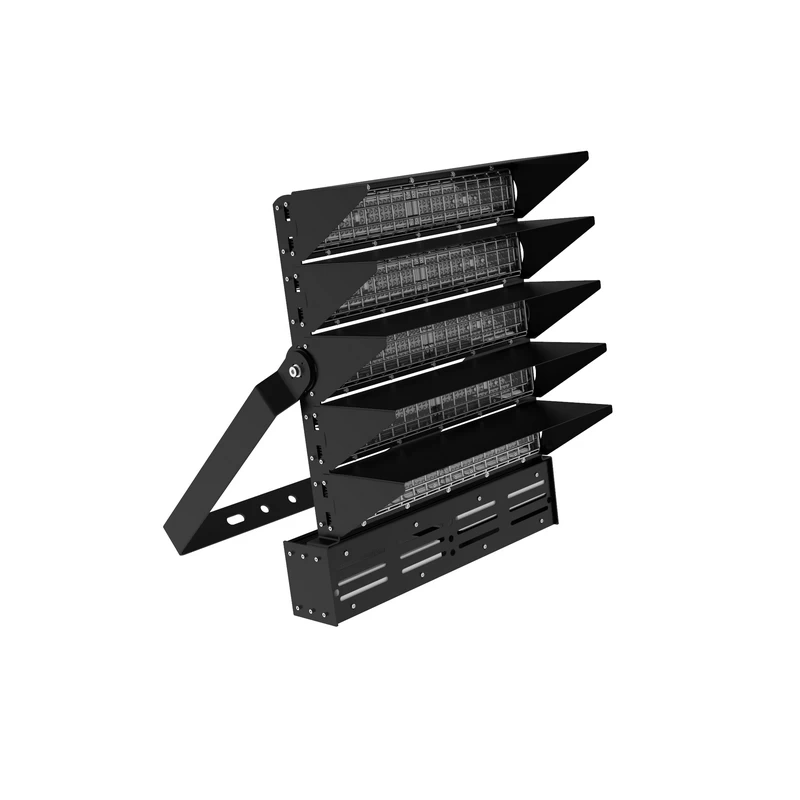
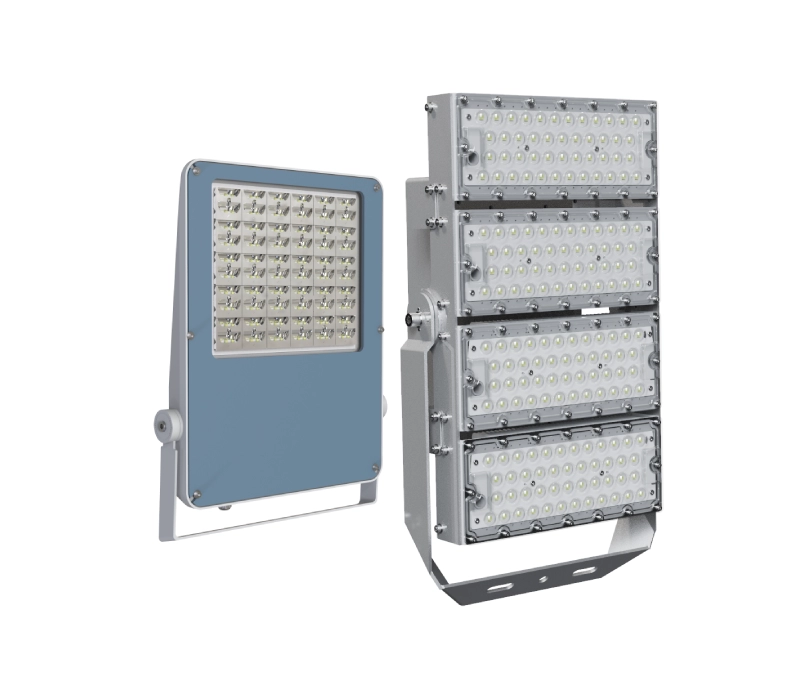
- LED Flood Lights: providing a large, uniform, and stable light coverage area, making them the most widely used type of outdoor lighting. High-mast types are also available, offering even greater coverage with their extremely high installation height.
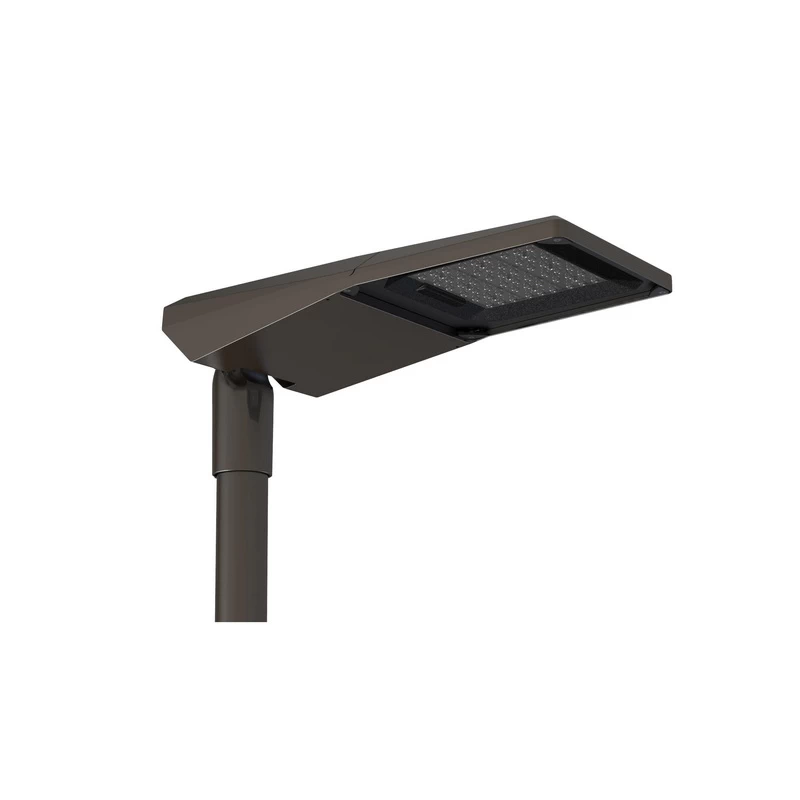
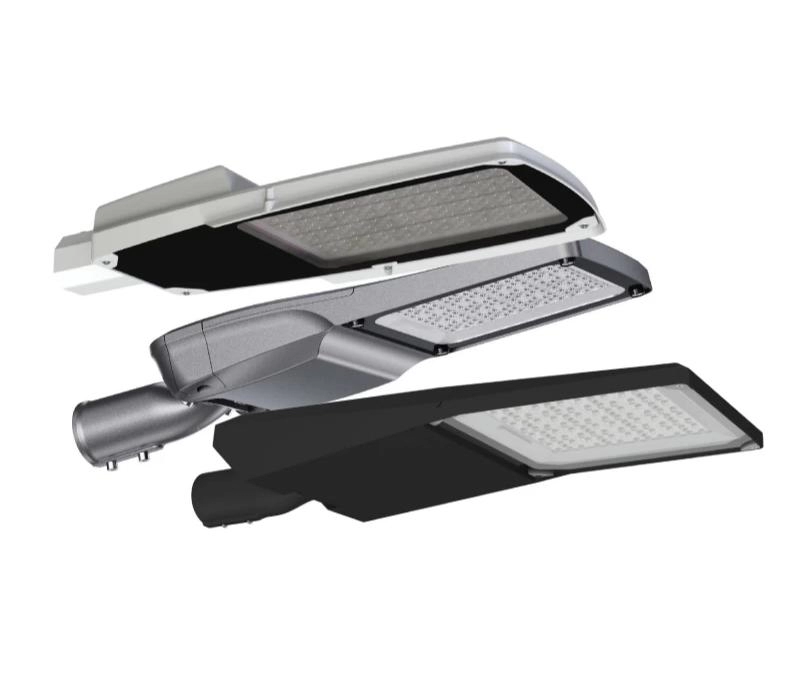
- LED Street Lights: Featuring a very typical Type asymmetric light distribution, they are used for continuous lighting of roads and outdoor traffic areas, with almost no noticeable shadows on the ground and significantly reduced glare.
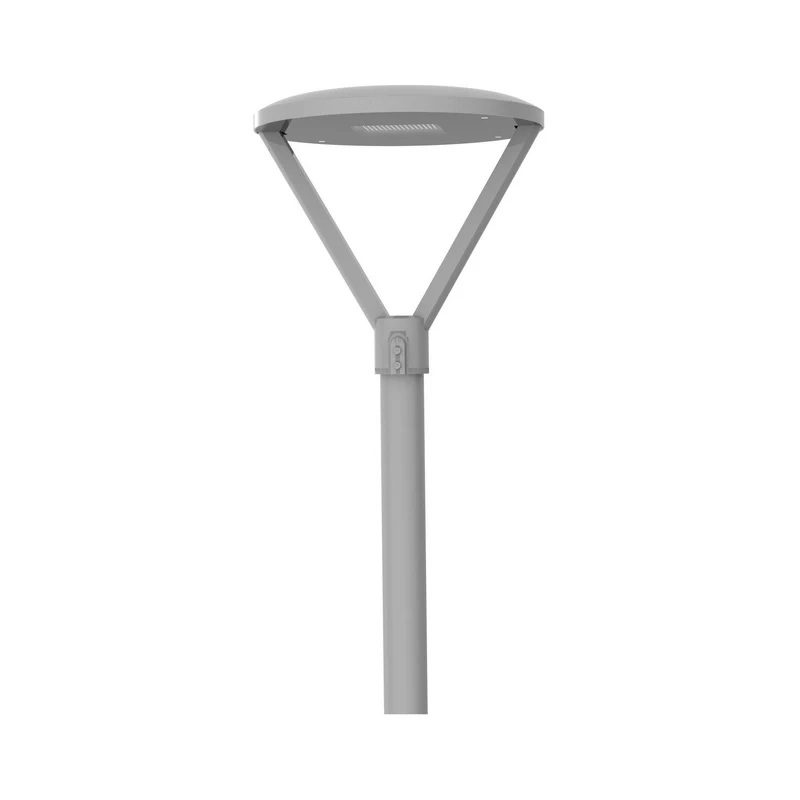
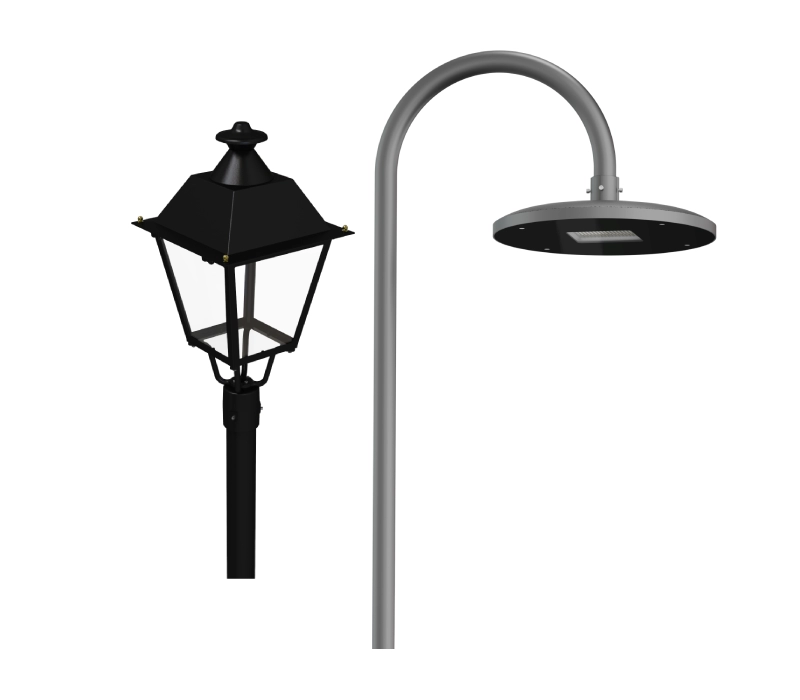
- LED Post Top Lights: Installed on the top of light poles at lower or medium heights, they combine functional lighting with environmental decoration. They have a slightly smaller coverage area and are suitable for areas with high pedestrian traffic and outdoor landscape lighting.
| Type | Typical Power Range | Protection Rating | Beam Characteristics | Expected Lifespan |
|---|
| LED Flood Lights | 30W – 1500W | IP66 | Multiple beam angles for wide or long-distance lighting | 50,000 – 100,000 hrs |
| LED Street Lights | 30W – 300W | IP66 | Asymmetric road light distribution to reduce glare | 50,000 – 100,000 hrs |
| LED Post Top Lights | 20W – 100W | IP66 | Soft and uniform area lighting | 50,000 – 100,000 hrs |
Commercial LED Outdoor Lighting Standards
Unlike indoor environments, most outdoor areas do not require excessively high illuminance, considering various factors. Basic visibility, directional awareness, and a sense of security are sufficient. Therefore, in actual projects, commercial and industrial outdoor lighting typically falls within a few typical illuminance ranges.
- 20–50 lux is the most common outdoor illuminance standard, suitable for most areas. The overall environment still clearly visible, allowing for accurate object identification, but without strong contrast. It often strikes a good balance between safety, energy consumption, and visual comfort.
- When there are more frequent personnel activities or work requirements in the environment, clearer visual effects are often needed to improve work efficiency and safety, and the illuminance will be increased to about 100 to 200 lux.
- Only in a few special scenarios is required to achieve extremely high illuminance standards of 500-1000 lx, such as stadium, professional sports field, or certain work areas that require high precision, making the site almost as bright as daytime.
Dusk to Dawn LED Outdoor Lighting
As the name suggests, automatic lighting from dusk to dawn refers to fixtures that automatically turn on when the ambient light gradually dims and automatically turn off after the sun rises in the morning, thus maintaining stable lighting at night and stopping operation during the day without human intervention. Because industrial and commercial outdoor LED lighting has high power and covers large areas, relying on manual management for turning it on and off is not only inefficient but also prone to forgetting to turn it on or wasting power for extended periods. Dusk to Dawn, on the other hand, operates automatically based on changes in natural light, requiring no setup after installation; it mimics the rhythms of nature.
Dusk-to-dawn led outdoor lighting is particularly suitable for environments that need to remain bright throughout the night, such as parking lots, roads, factory perimeter walls, and security lighting. However, it is not suitable for environments requiring flexible dimming and batch control. It is the cornerstone of outdoor lighting automation, its greatest significance lying in achieving synchronization between lighting and natural light with minimal cost and the simplest technology. For functional safety lighting, it is practically perfect; but for scenarios requiring energy-saving dimming or other specific needs, more advanced control methods must be considered.
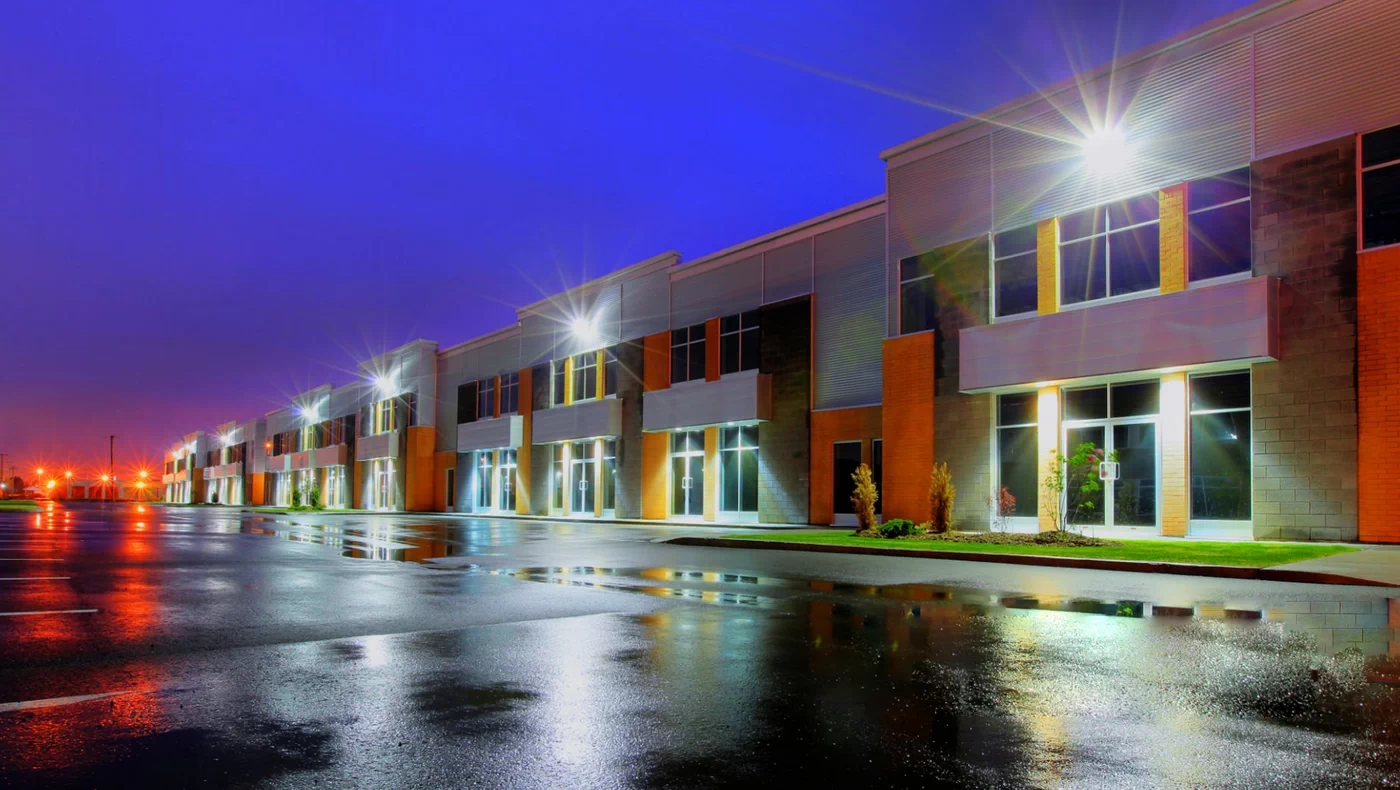
Outdoor LED Lighting Light Pollution
With city development and the growth of the nighttime economy, outdoor lighting has increased rapidly over the past few decades, especially after the shift to LED light sources, resulting in a significant increase in the proportion of light pollution each year. Recent scientific research has confirmed that although LEDs have improved energy efficiency, they have significantly exacerbated light pollution, especially in the field of large-scale industrial and commercial outdoor lighting.
Light pollution from outdoor LED lighting is real pollution. Excessive nighttime light, especially blue light, can suppress the secretion of melatonin in the human body, leading to sleep disorders, circadian rhythm disruption, and may even increase the risk of cancer and heart disease. It can also disrupt the activity patterns of certain animals, such as bird migration, sea turtles, and the phototaxis of insects, thereby affecting the entire ecosystem.
Everyone can contribute to controlling light pollution from outdoor LED lighting. The scientific community and environmental organizations generally recommend that the color temperature of outdoor lighting should not exceed 3000K, and in ecologically sensitive areas, even ultra-low color temperatures of 1800K-2700K should be used, which significantly reduces blue light content and minimizes interference with humans and animals. Secondly, avoid blindly pursuing high power and high illuminance; brightness only needs to be sufficient. Excessive brightness is wasteful and polluting.
Some of our LED floodlights and all our streetlights are optically cut-off, which is the most direct and effective way to prevent light from scattering into the sky. Alternatively, optimizing the installation angle and adding physical light shields can also reduce scattering by confining the light to the target area.
Frequently Asked Questions
What is the best industrial outdoor LED light?
LED floodlights are undoubtedly the best type of outdoor lighting. They are the most practical and adaptable, capable of covering a wide range of needs, from small areas to large-area high mast lighting. This is not because any one of their indicators is particularly outstanding, but because they perfectly match the core requirements of outdoor industrial scenarios for reliability, precision, economy, and safety.
What are the installation methods for commercial LED outdoor lighting?
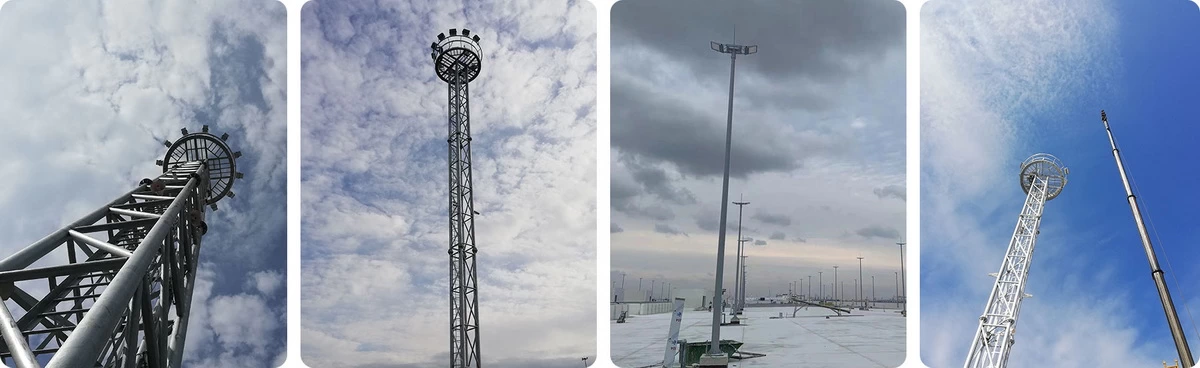
The most common and widely used installation method is the light pole. Whether for area lighting, road lighting, or landscape lighting, light poles can provide flexible installation positions and appropriate heights, allowing light to illuminate the target area more evenly. Besides freestanding light poles, many lighting projects can also be directly installed on building structures, such as warehouse exterior walls, rooftop cranes, etc. A comprehensive plan can be developed based on site conditions, lighting areas, and ease of maintenance, resulting in a more efficient and reliable installation layout.
What is the waterproof rating of outdoor LED lights?
Outdoor environments present challenges beyond just rainfall; they also include dust, moisture, and temperature fluctuations. If lighting fixtures lack adequate protection, moisture or dust can enter the lamp body, inevitably damaging the power supply and optical components, potentially leading to burnout or a shortened lifespan. Therefore, a waterproof rating of at least IP66 is crucial. This means complete protection against dust ingress and resistance to water spray from all directions.
What intelligent controls are available for industrial and commercial LED outdoor lighting?
One of the more common control methods is a 0–10V or DALI dimming system. The brightness of the lights can be manually adjusted according to different time periods or usage needs, which greatly helps avoid energy waste and extend the lifespan of the lights. Another common control method is the dusk to dawn automatic operation mode, avoiding the inconvenience of manual management. Some systems can also employ timed dimming or time-sharing operation strategies to appropriately reduce the brightness of certain outdoor areas during the latter half of the night.
Do industrial outdoor LED lights require maintenance?
Maintenance requirements are typically very low or even nonexistent. LED light sources themselves have a long lifespan, capable of stable operation for nearly 100,000 hours under normal operating conditions without the need for replacement. Furthermore, their protective performance and materials meet industrial-grade standards.
How can outdoor LED lighting cope with thunderstorms?
10KV-20KV surge protection is essential for outdoor lighting. It can withstand instantaneous voltage surges that may occur during thunderstorms, preventing damage to the driver power of the lighting fixtures, which could otherwise lead to short circuits or burnout.

 English
  简体中文
简体中文  Deutsch
  Español
  Français
  Italiano
  日本語
日本語  Русский
  Português
  한국어
한국어