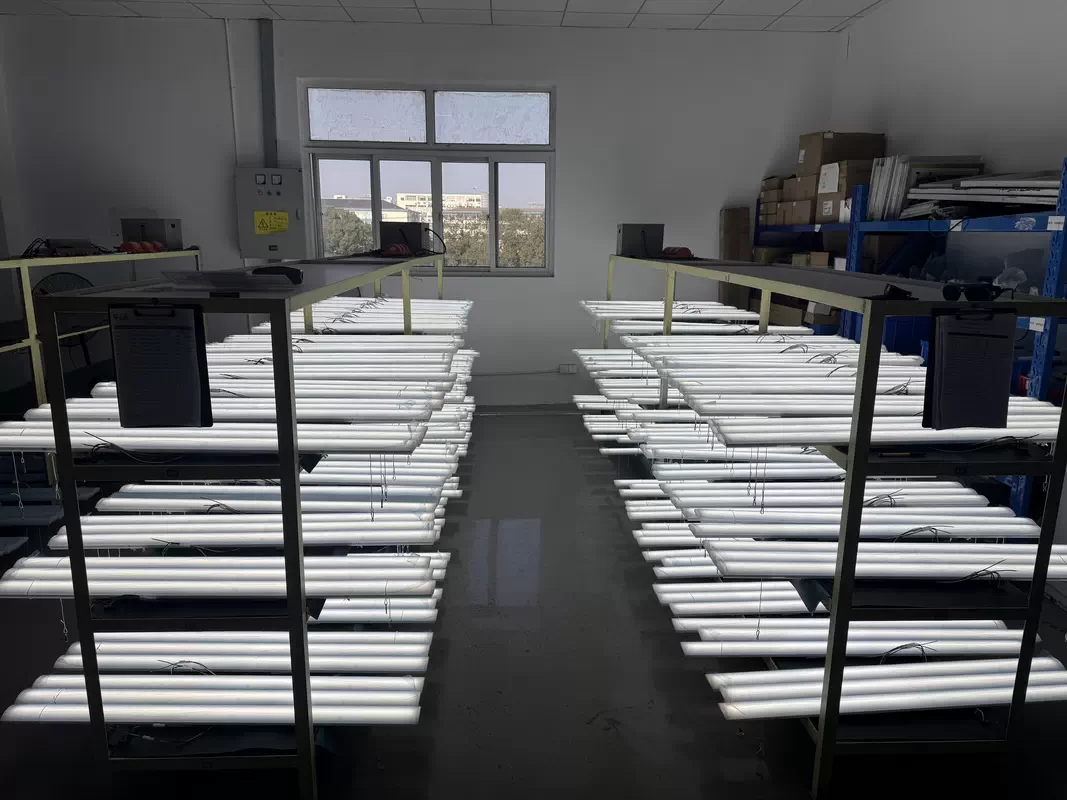
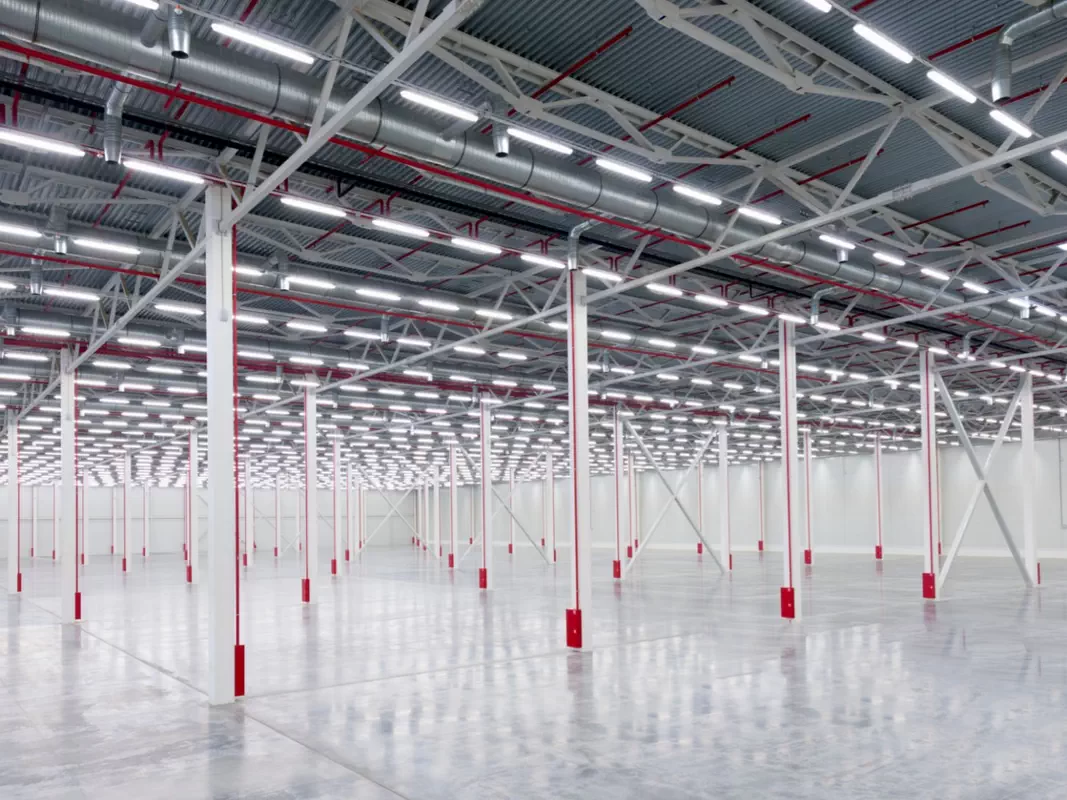
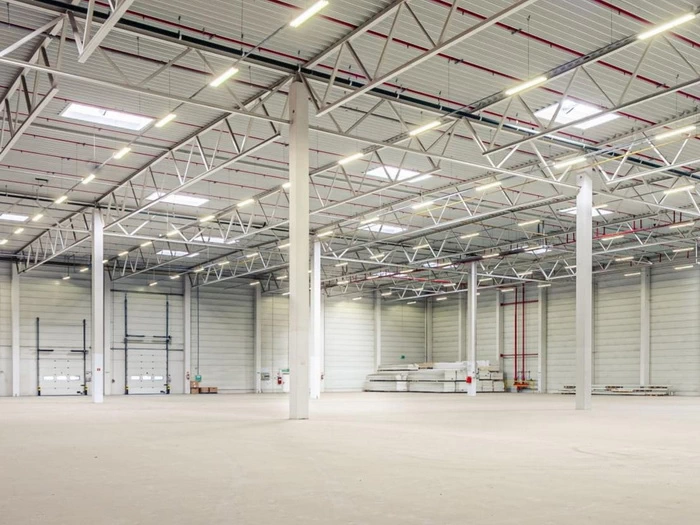
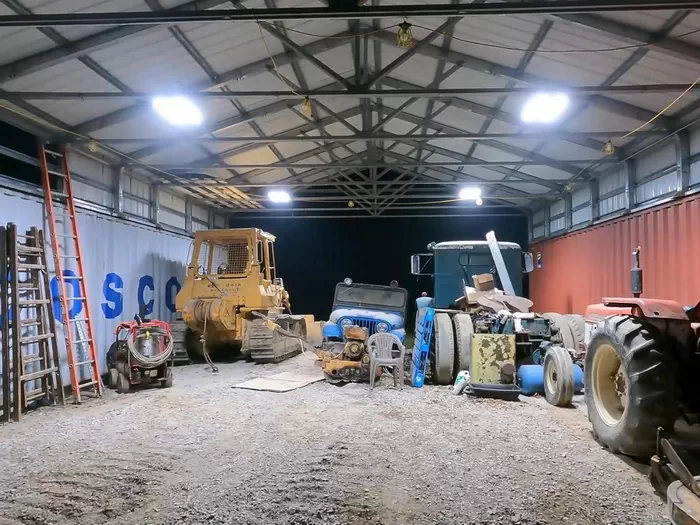
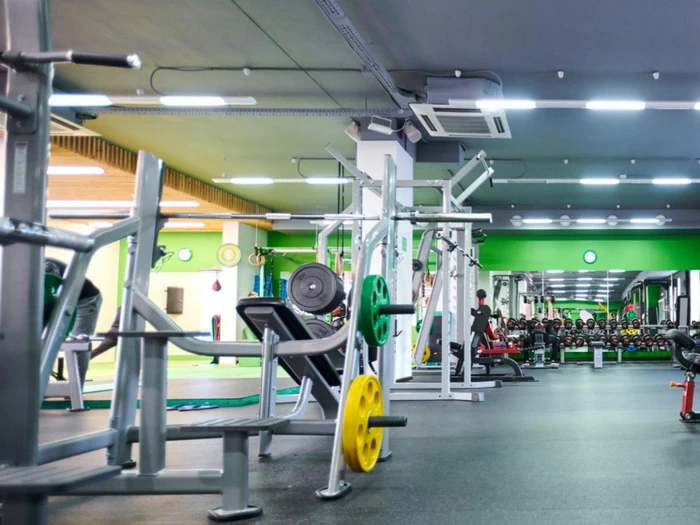
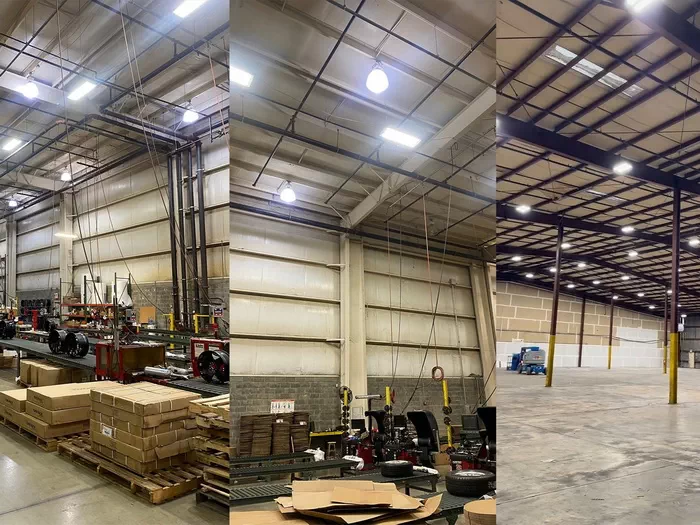
What are linear high bay LED lights?
Linear LED high bay lights are very common and practical in industrial, commercial, and sports lighting. They are long and narrow in shape with long light-emitting surface, typically 2-5 feet in length. They differ fundamentally from the linear lights commonly found in offices or shopping malls, which prioritize decorative appeal and have lower power and brightness; linear LED high bay, on the other hand, offer high lumen output and excellent durability, making them ideal for various medium-to-high ceilings and a good replacement for older T5HO or T8 fluorescent lamps. Furthermore, unlike UFO round type that aim for high brightness at a single point, they create more continuous and uniform light distribution across the environment through their extended luminous surface. View more about the UFO type.
Its most prominent feature is its soft light and low glare. By using different light distribution methods, linear high bay LED lights can not only achieve large-area, uniform overall lighting through wide beam angle, but also achieve narrow corridor lighting through narrow beam angle. For practical linear spatial layouts, the light fixtures can be installed in continuous arrangement, allowing the light to spread naturally, effectively reducing stark contrasts and overlapping light effects.
4ft Linear LED high bay lights
Among the many sizes of linear high bay LED lights, 4ft is one of the most widely used lengths. Firstly, 4ft is close to the length of most traditional fluorescent lamps, allowing them to be installed in existing locations during replacement and retrofit projects without significant adjustments to the lamp positions or electrical structure. Secondly, it offers greater flexibility and control in lighting design, facilitating layout according to the areas requiring illumination. It also facilitates transportation and single-person operation, reducing the number of fixtures required and avoiding the risk of damage associated with excessive length.
It’s important to note that 4ft linear highbay are not suitable for all environments. In situations with extremely high ceilings, highly irregular layouts, or dense obstructions, longer or shorter sizes may be necessary.
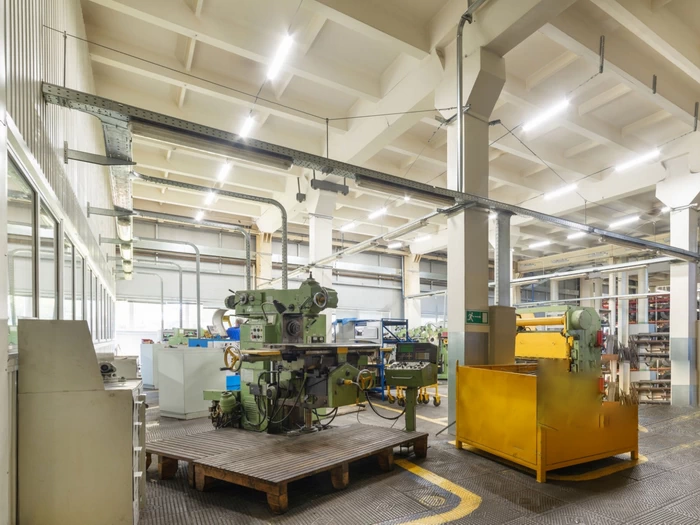
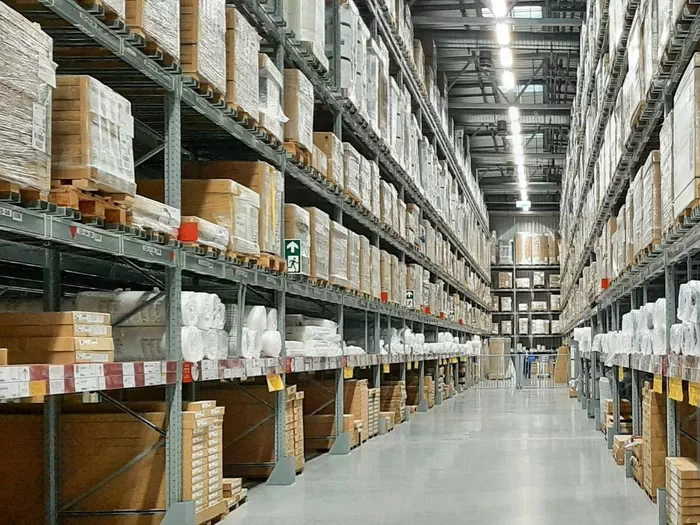
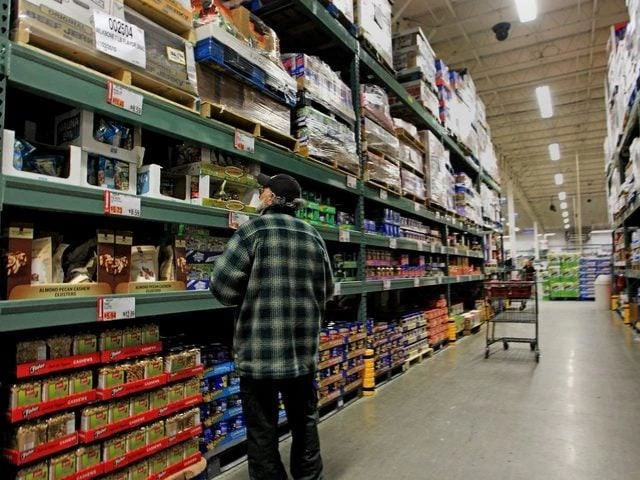
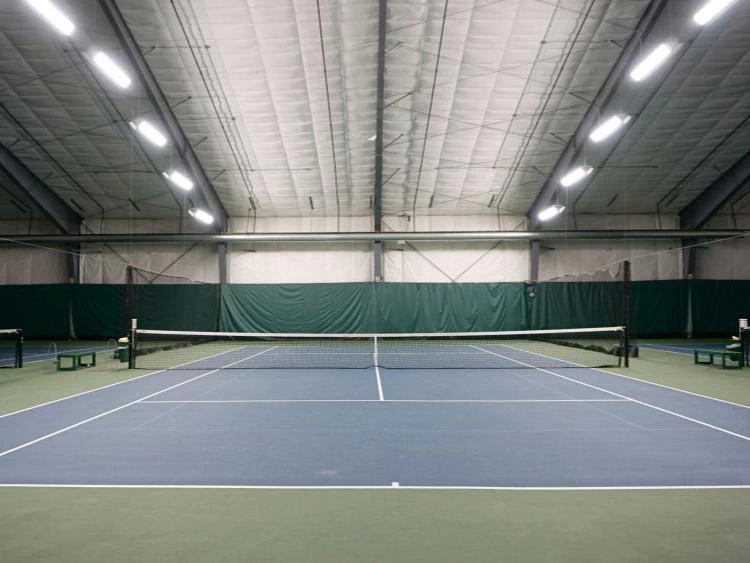
The length of the fixture and its installation height are not directly related. Whether at lower or higher installation heights, a 4ft LED high bay can meet lighting needs through appropriate installation spacing, beam angle, and power selection. Variations in length primarily affect the coverage length and distribution range of the lighting. Therefore, 4ft is often considered a universal size that balances adaptability, scalability, and lighting effect, and is widely used in sports, shelving areas, production lines, and various large spaces.
Applications
Which linear configuration is more suitable for you?
- With motion sensor : Built-in high-precision microwave radar or infrared sensors can detect the movement of people or equipment over a wide range, thereby automatically turning on or adjusting the brightness. This does not affect lighting safety and significantly reduces idle energy consumption.
- With protective grille : The metal grille on the linear luminous surface prevents damage from accidental impacts, such as balls or collisions from other equipment. It also significantly improves visual comfort, eliminating direct and indirect glare and reducing visual interference.
- Dimmable : Supports standard dimming protocols such as 0-10V/DALI/PWM, allowing for flexible brightness adjustment to meet specific needs and providing strong adaptability. It also avoids excessive brightness that can cause glare or energy waste.
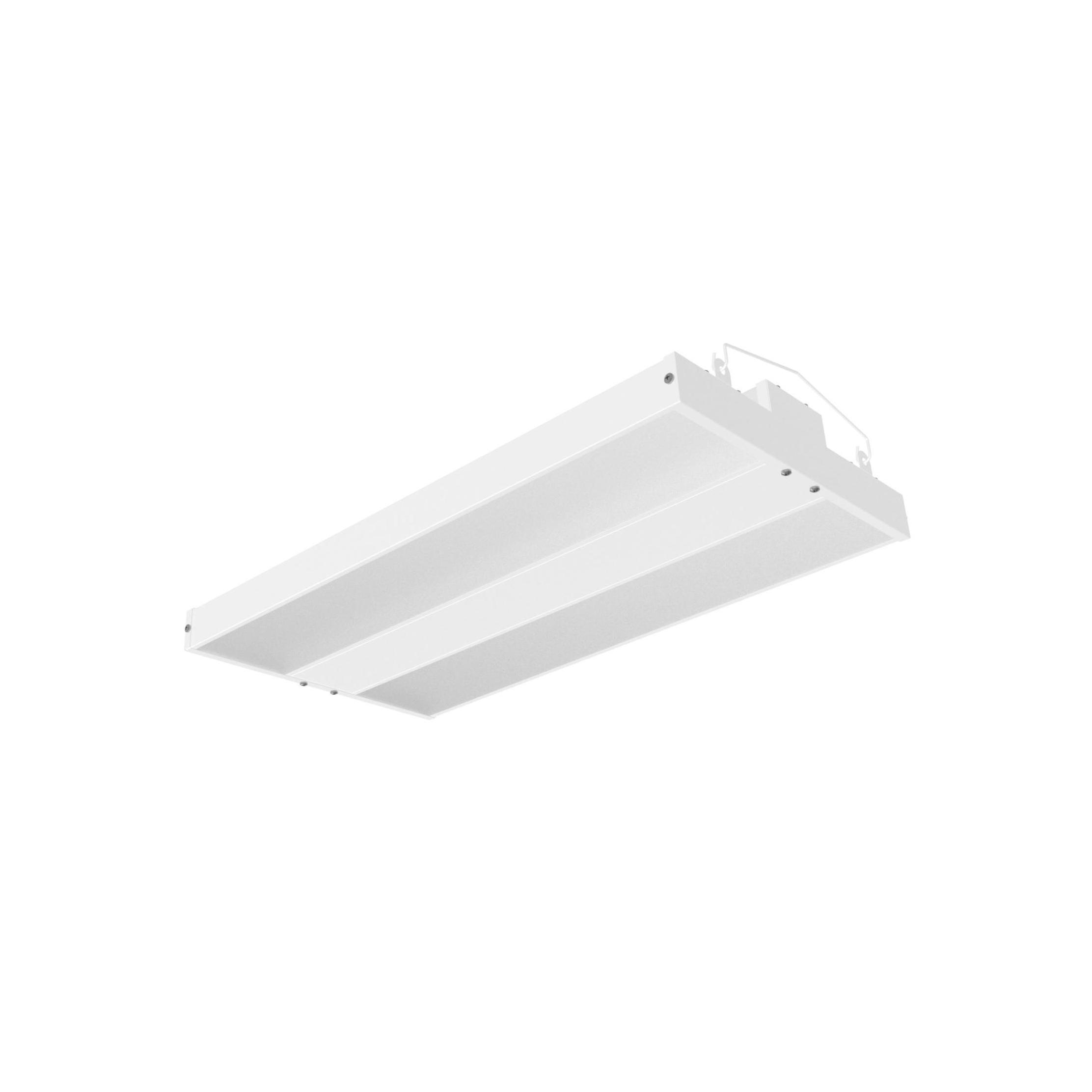
- Dual Emitting Surface : Provides wider and more uniform vertical lighting, resulting in a larger coverage area per fixture, which helps improve overall uniformity and reduce the number of fixtures required.
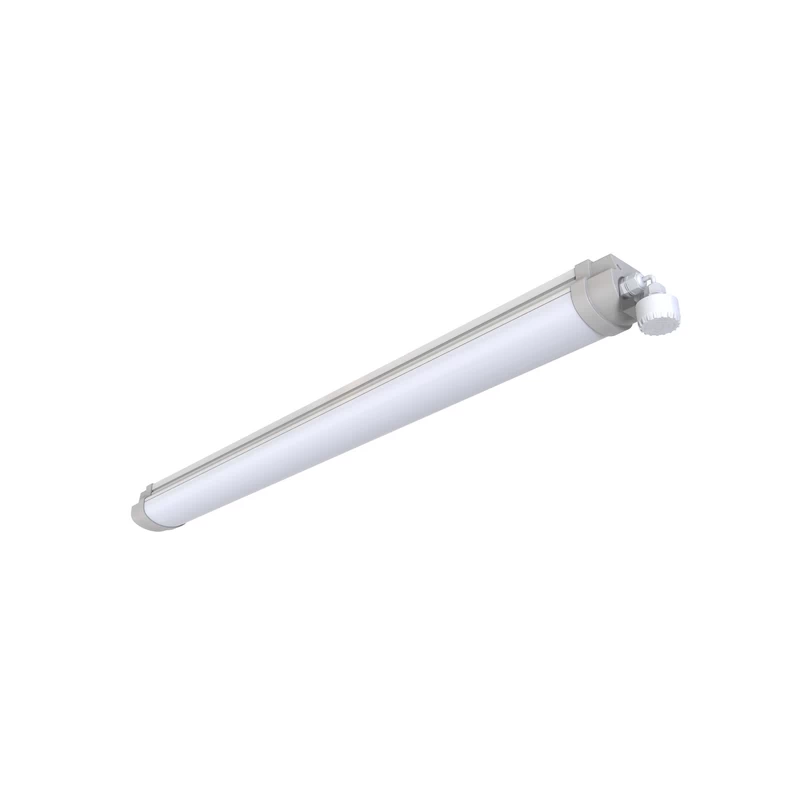
- Vapor tight linear LED high bay : With a maximum power of 150W, this breaks away from traditional low-power vapor tight LEDs and can be used in large spaces with high humidity, corrosion, or low temperatures. View all linear vapor tight LED lights.
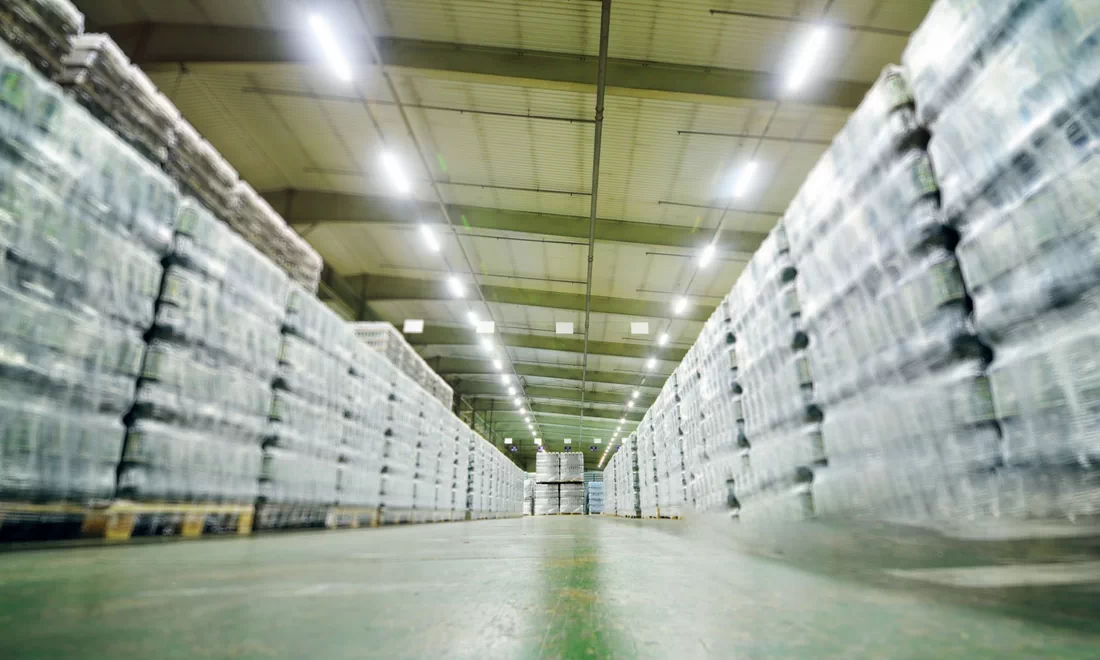
Linear high bay LED lights vs fluorescent
Linear high bay LED lights are very similar to traditional fluorescent lamps in appearance and application, which is one of the reasons why they are widely used to replace fluorescent lighting systems. However, they differ fundamentally in their lighting philosophy. Fluorescent rely more on quantity to achieve brightness, using dense installation to compensate for the insufficient output and light distribution of single fixture. LED, on the other hand, rely on precise optical and lighting design to achieve effective coverage, reducing the number of fixtures while better controlling glare and light direction.
Traditional fluorescent have inherent drawbacks that are difficult to overcome: short lifespan, requiring regular replacement of lamps and ballasts, and high place, hazardous replacement work, which not only consumes labor and parts costs but also poses a risk of production stoppage. The mercury inside the lamp is hazardous waste, and improper disposal can cause pollution. Start-up delay and performance degradation are also more pronounced issues. In contrast, linear high-bay LED lights use an integrated structure, require no replacement, operate more stably, and can be integrated with dimming, sensing, and intelligent control systems.
| Item | Linear High Bay LED | Fluorescent |
|---|
| Luminous Efficacy | 140–170 lm/W | 70–90 lm/W |
| Rated Lifetime | ≥50,000 hours | 10,000–20,000 hours |
| Maintenance Costs | Near zero | High (replacement component and labor costs) |
| Optical control | Precision, high utilization rate | Light is scattered 360°, significant waste |
| Start-up Time | Instant-on | Delayed / flickering |
| Low-temperature Performance | Stable operation | Reduced output |
| Dimming & Control | 0–10V / DALI / sensors | Limited or unavailable |
| Hazardous Materials | None | Mercury-containing |
Frequently Asked Questions
What is the installation spacing for linear high bay LED lighting?
The determination of the installation spacing for linear high bay LED lighting is essentially the result of dynamic balance of three variables: required illuminance, beam angle, and installation height. Therefore, there is no single, fixed installation spacing. However, in most standard industrial and commercial high bay lighting applications, without complex calculations, using the installation height as a key reference point to determine the spacing range is an extremely reliable and practical approach.
- 4-meter (13ft) installation height: Recommended luminaire spacing 3–4 meters (10–13ft), emphasizing uniform illumination and flexible layout.
- 6-meter (19ft) installation height: Recommended luminaire spacing 5–6 meters (16–19ft), common in medium-sized factories and standard warehouses.
- 8-meter (26ft) installation height: Recommended luminaire spacing 7–8 meters (23–26ft), achieving a good balance between the number of luminaires and coverage.
- 10-meter (32ft) installation height: Recommended luminaire spacing: 8–10 meters (26–32ft), resulting in wider light distribution, but requiring higher wattage.
- 12-meter (39ft) installation height: Recommended luminaire spacing 10–12 meters (32–39ft), fewer luminaires required, achieving basic coverage, but higher illuminance necessitates shorter installation spacing.
It should be noted that the above spacing is preliminary reference value. Due to the unique appearance of linear LED high bay lights, they are also commonly installed in close rows to improve illuminance and uniformity. Any rigorous lighting scheme should ultimately be simulated and validated using professional lighting design software. You can contact us for free customization services.
What are the installation methods for LED linear high bay lights?
In fact, the installation of linear LED high bay lights does not need to be very complicated. Suspended installation and surface installation can handle various application environments, which is the most flexible and widely used option.
Suspended installations use chains and rods to suspend the light fixtures from the ceiling or below the building structure. The installation height can be flexibly adjusted, facilitating precise control of illuminance and lighting range, and can be easily adjusted should the spatial layout change in the future.
Surface mounting refers to fixing the light fixture directly to the ceiling or side wall, similar to ceiling-mounted and wall-mounted installations. This method is simple in structure, efficient in construction, and occupies less overall height of the light fixture, making it suitable for space-constrained high bay environment. It also offers good stability and convenient maintenance. It is a good choice for industrial spaces with limited ceiling height, buildings with regular steel beam spacing, and buildings where direct fixing is possible. However, the installation height is not adjustable, requiring more sophisticated initial lighting design.
Why do linear LED high bay lights have lower glare?
The core reason why linear high bay LED lights have low glare is their elongated light-emitting area. Unlike high-power lights that concentrate light on a small surface, linear lights distribute light output across a longer surface, significantly reducing the brightness per unit area and minimizing eye discomfort when viewed directly. The wider beam and more natural transitions avoid harsh contrasts between light and dark. Secondly, the unique light design, employing PC material microprisms, diffusers, and even anti-glare grilles, effectively filters glare compared to transparent lenses.
Linear high bay LED lights with lower glare are particularly suitable for spaces requiring prolonged fixed-line work, precision visual tasks, or where safety hazards exist.
- Precision manufacturing and testing areas.
- Long-duration office and R&D areas.
- Sports stadiums and multi-purpose halls.
- Industrial workplaces requiring frequent looking up or long-distance observation.
- Commercial spaces with high requirements for visual comfort and operational safety.
Any strict control over light, such as using grids, PC prisms, or reflective light distribution, will result in some light loss, typically around 5%-15%. This means that the luminous efficiency of linear LED cannot be as high as that of UFO type; to achieve the same brightness, slightly higher wattage or more lights may be required. To achieve a concealed light source and sufficient shielding angle, the thickness or depth of the fixture may be greater than that of ordinary fixture, making it less suitable for applications requiring an ultra-thin design.
How to choose between narrow or wide beam angles for linear LED high bay lights?
A wide beam angle, such as 90°-120°, is more suitable when the lighting objective is to provide uniform and continuous basic illumination entire space. The advantages of wide-beam linear high bay LED lights include natural light diffusion, overlapping coverage, and ability to effectively reduce the difference between light and dark areas. At the same height, a single light covers larger area, allowing for greater installation spacing, which is beneficial for overall layout. Furthermore, the visual effect is softer, making it more suitable for long-term work environments.
For illuminate narrow, regular, or passageway spaces, narrow beam angle linear LED high bay is often a more effective choice, as it can concentrate the light onto the target area and reduce ineffective scattering. In shelving aisles, it can disregard the obstruction of tall shelves on both sides, ensuring sufficient floor illuminance. It easily creates clear light path guidance, enhancing the sense of direction and order in the space.
| Beam Angle Type | Wide Beam Angle | Narrow Beam Angle |
|---|
| Light Distribution | Broad, uniform coverage | Focused, directional output |
| Primary Lighting Goal | Overall area illumination | Targeted aisle or zone lighting |
| Typical Applications | Warehouses, production lines | Aisles, corridors, rack systems |
| Spacing Flexibility | Wider spacing possible | More controlled spacing |
| Light Control | Lower directionality | High precision control |
How does linear high bay LED lighting illuminate rack aisles effectively?
Rack aisles are long and narrow spaces with regular structures, requiring high degree of control over the direction of light. Only linear high bay LED lights with narrow beam angles or channel-type light distribution can effectively illuminate the aisle area without excessive light spilling over the top of the racking or adjacent aisles. Rack aisle lighting needs to meet three core objectives: continuous illuminance on the aisle floor, sufficient visibility of the rack facade, and no significant glare when walking or driving forklifts. Installation should be parallel to the rack direction, rather than transverse, to maximize the advantages of linear light emission.
A narrower beam angle can effectively control light coverage and prevent the illuminated area from exceeding the width of the aisle. It’s important to emphasize that the beam angle of linear LED high bay lights is not determined solely by height, but rather by the relationship between height and aisle width. Generally speaking, the higher the installation height, the more appropriate narrower beam angle should be.
- Installation heights of 6 to 8 meters (19 to 26ft), beam angle of 45° to 60° is recommended
- Installation heights of 8 to 10 meters (26 to 33ft), beam angle of 30° to 45° is recommended
- Installation heights of 10 to 12 meters (33 to 39ft) and above, beam angle of 10° to 30° is recommended
Regarding luminaire spacing, rack aisle lighting typically requires smaller installation spacing than open areas. This is not to increase overall brightness, but to ensure continuous and uniform illuminance, avoiding noticeable dark areas.

 English
  简体中文
简体中文  Deutsch
  Español
  Français
  Italiano
  日本語
日本語  Русский
  Português
  한국어
한국어 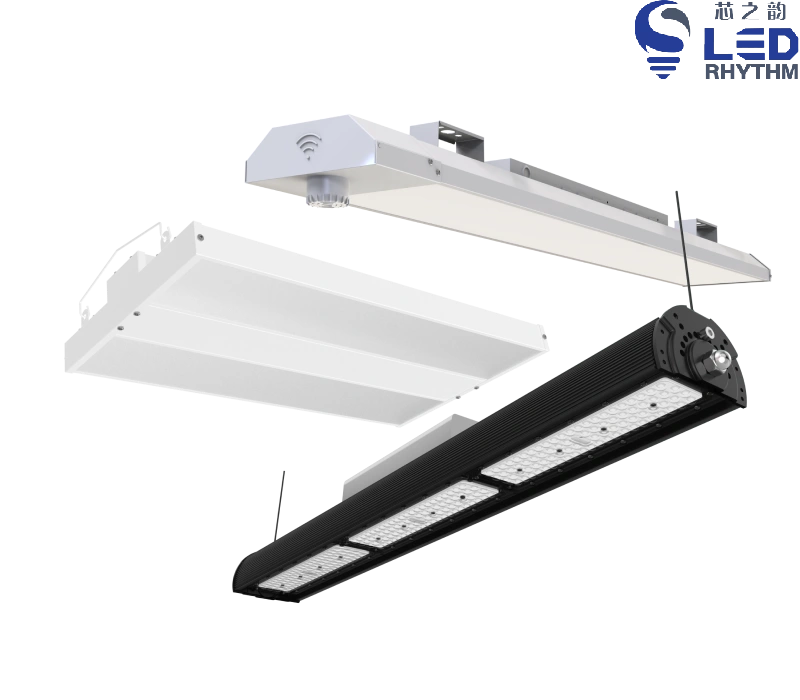



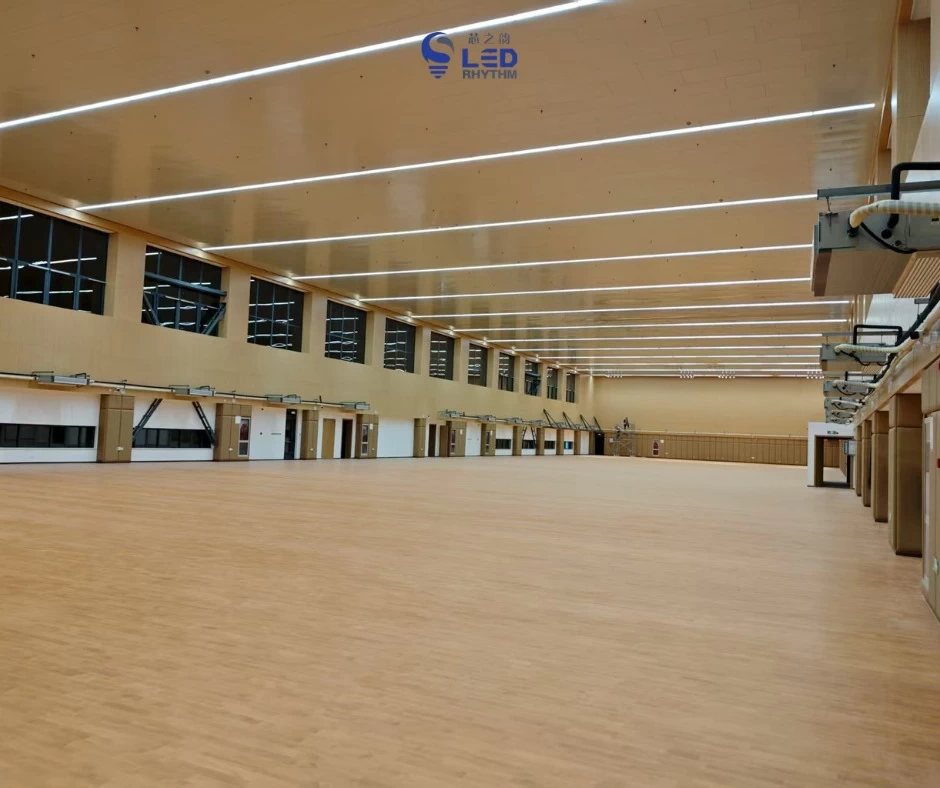
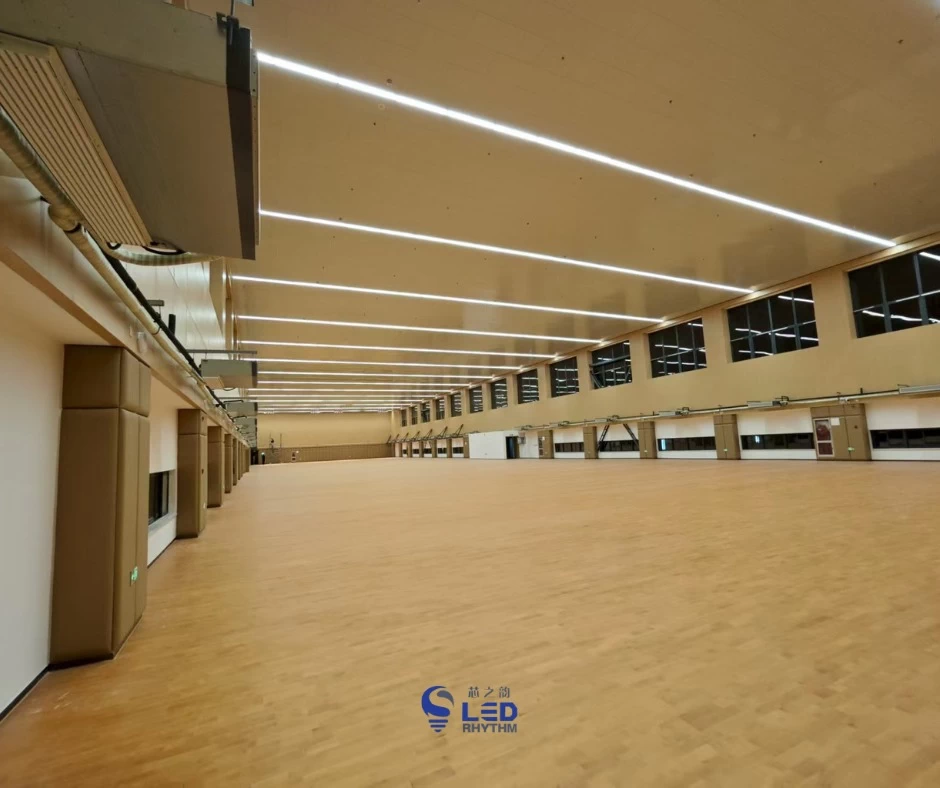
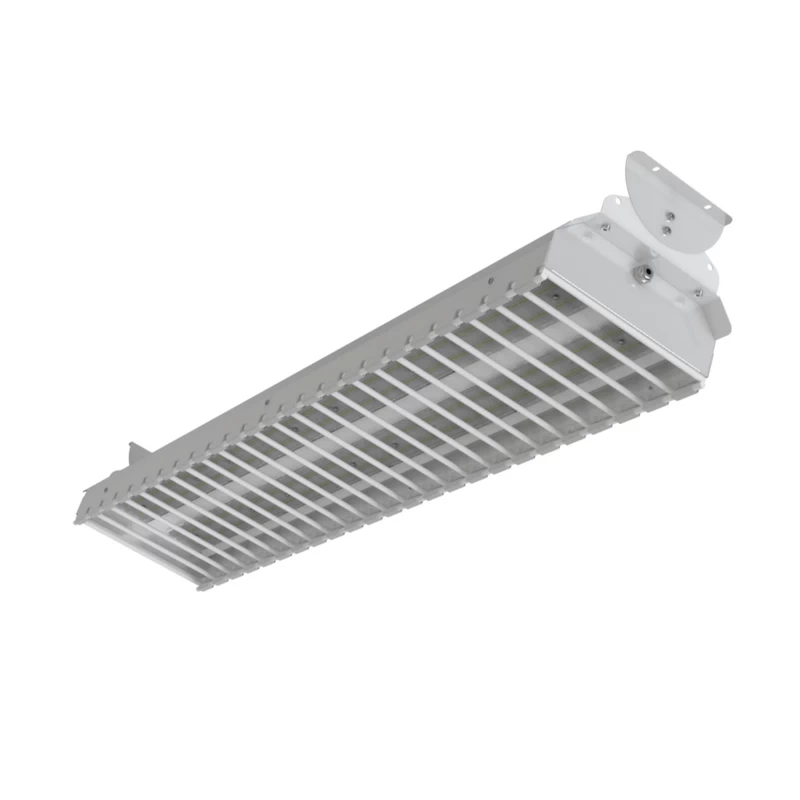 Specifically designed for indoor stadiums, 4 feet long, with IK10 grade crash barriers.
 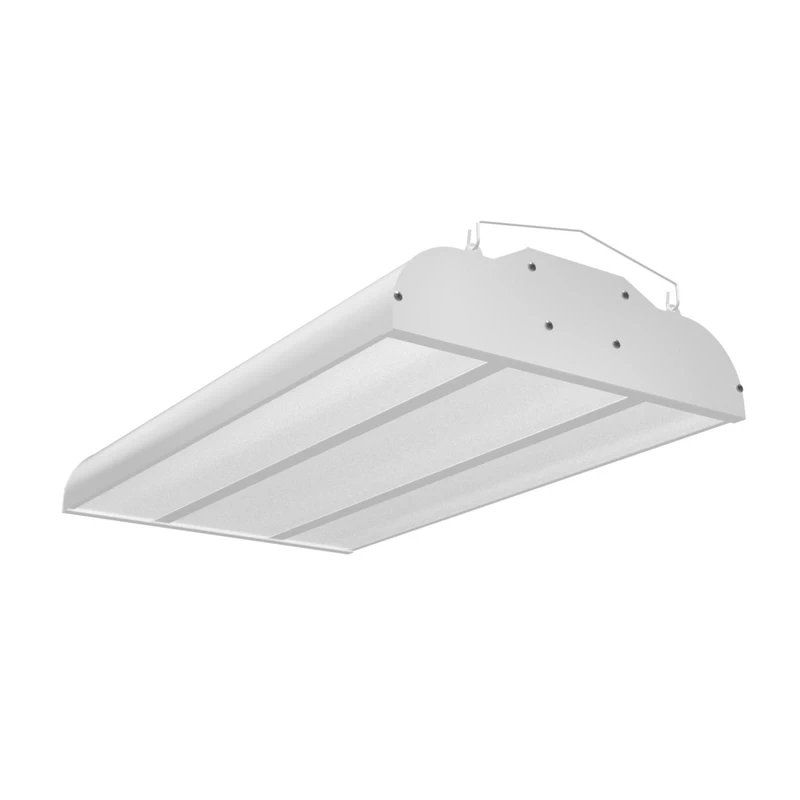 2ft/4ft, two linear light-emitting surfaces provide illumination through reflection, extremely low glare.