English
  简体中文
简体中文  Deutsch
  Español
  Français
  Italiano
  日本語
日本語  Русский
  Português
  한국어
한국어 For smart lighting to be truly stable and reliable, a good power distribution system is essential. It’s like the neural network in the body, needing to both supply power and transmit signals. A complete lighting power distribution system typically needs to meet the following conditions:
- Clear circuit routing and reasonable load distribution: Different circuits are allocated according to area or function, allowing each group of lights to be controlled independently, which is both convenient and safe.
- Stable voltage and good matching: Smart lighting fixtures typically use constant voltage drivers (such as DC48V or PoE power supply). Voltage fluctuations can easily cause flickering or communication errors.
- Reliable grounding: Good grounding prevents signal interference and protects equipment from damage caused by static electricity or lightning strikes.
- Separate control from power lines: Control signal lines (DALI, KNX, RS485) must be wired separately from the main power lines to avoid mutual interference.
- Essential protection: Leakage protection, overload protection, short circuit protection, and surge protection are the foundation for the stable operation of any smart system.
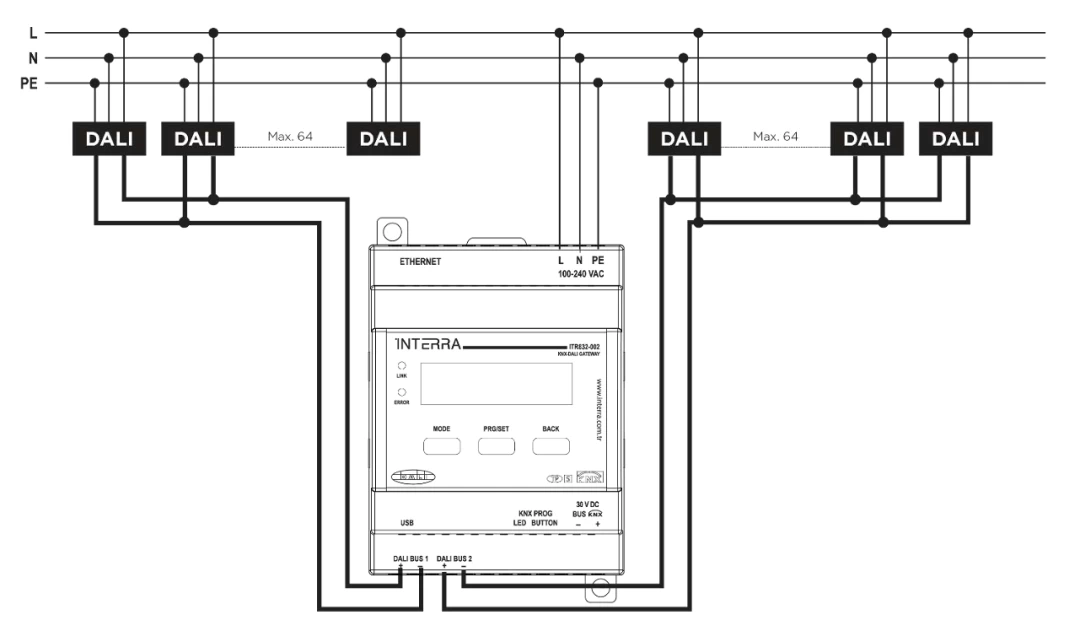
After ensuring a stable electrical system, the next step is control. The control system is the brain of smart lighting; it tells the lights how, when, and how brightly to turn on. Based on the signal transmission method, smart lighting control systems can be broadly divided into two categories:
1. Wired control system
- KNX bus: Commonly used in building automation, highly stable, suitable for large-scale projects.
- DALI protocol: Digital dimming protocol specifically designed for lighting, enabling individual lamp dimming and scene control.
- DMX/RDM: Primarily used in stage and architectural landscape lighting, offering fast response and high precision.
- PoE control: Transmits power and signals simultaneously via a single network cable, facilitating centralized management.
2. Wireless control system
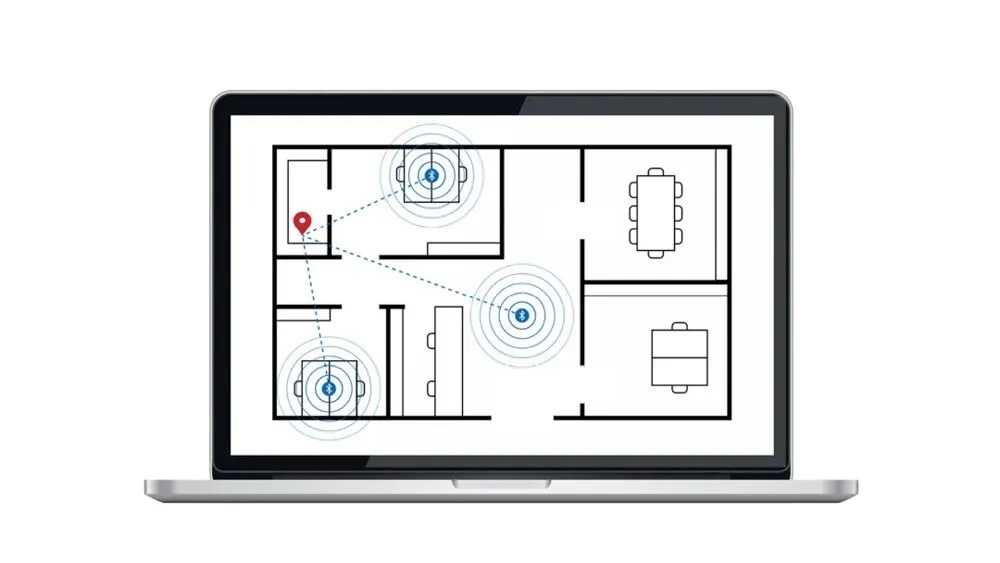
- Zigbee / Bluetooth Mesh: Flexible network deployment, commonly used in homes and small to medium-sized commercial spaces.
- Wi-Fi / TCP-IP: Supports remote cloud control, feature-rich but highly dependent on network connectivity.
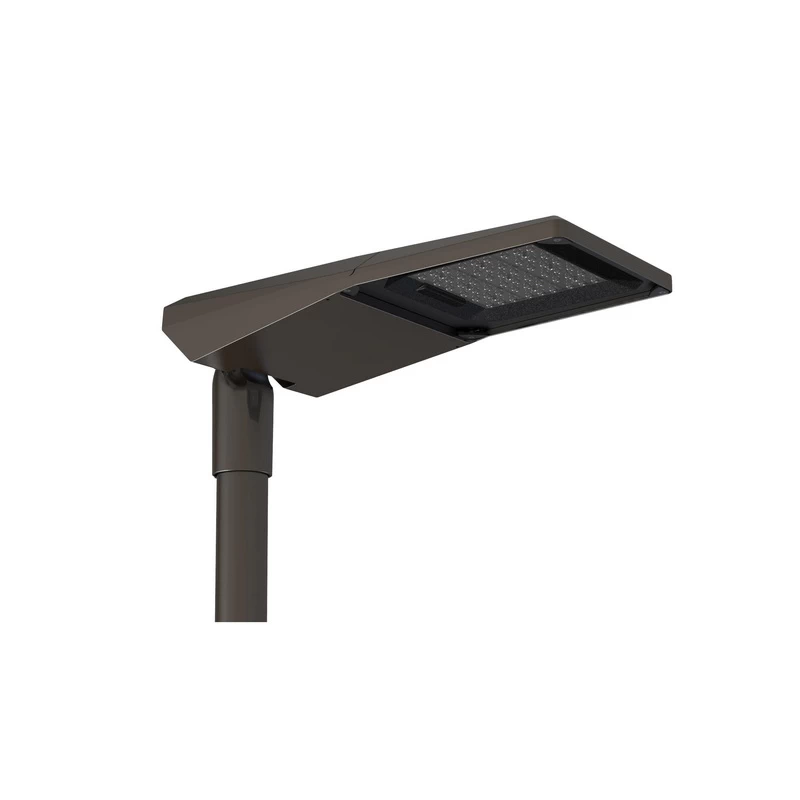
- NB-IoT / Cat.1: Designed for urban lighting and public facilities, suitable for long-distance monitoring.
Regardless of the method used, the stability of the power distribution system is always a prerequisite. Voltage fluctuations, poor grounding, or line interference can all cause control delays or malfunctions.
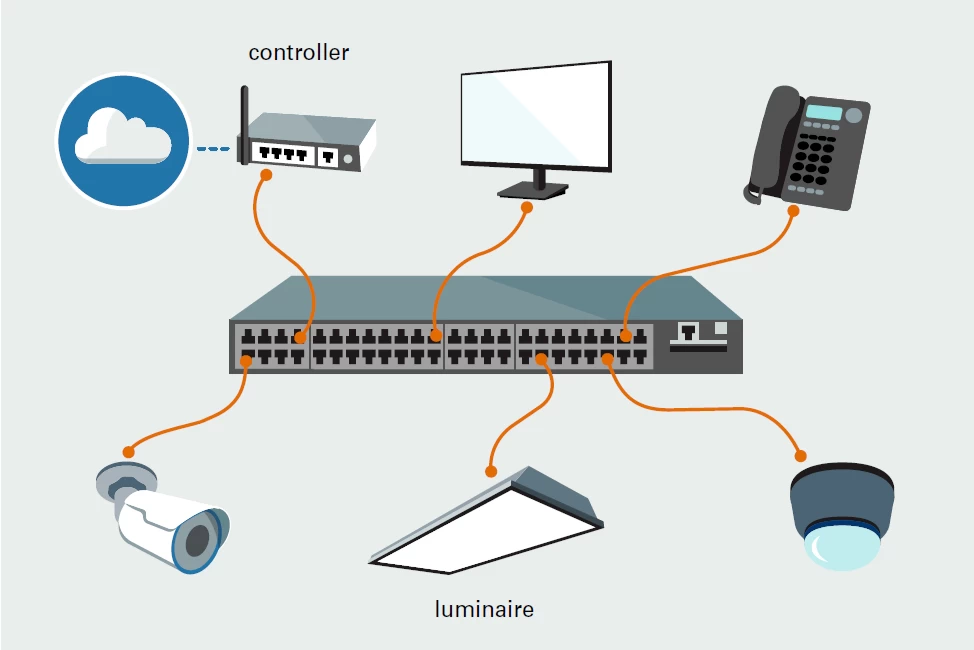
Safety is the bottom line for all intelligent systems. Leakage protection, grounding, lightning protection, overload protection… these seemingly commonplace electrical measures are precisely the safeguards of smart control.
Control logic determines the spatial experience. Good electrical architecture enables lighting to achieve richer scenarios: automatic sensing, lights turning on when people are present; zoned dimming, creating varying levels of brightness; and circadian rhythm adjustment, where light changes with time. Behind these experiences lies the precise coordination between the electrical and control systems. The greatest significance of smart lighting is not just convenience, but also to be more energy saving. Through hierarchical power distribution, dynamic dimming, and on-demand power supply, the system can ensure that lights only turn on when needed, maximizing energy efficiency.
Modularization and standardization are future trends, and future lighting systems will be more intelligent. Low-voltage DC power supply (DC Grid), modular design, and plug-and-play functionality make installation and maintenance simpler, and system expansion more flexible.