Frequently Asked Questions
How to determine if LED lights meet industrial-grade standards?
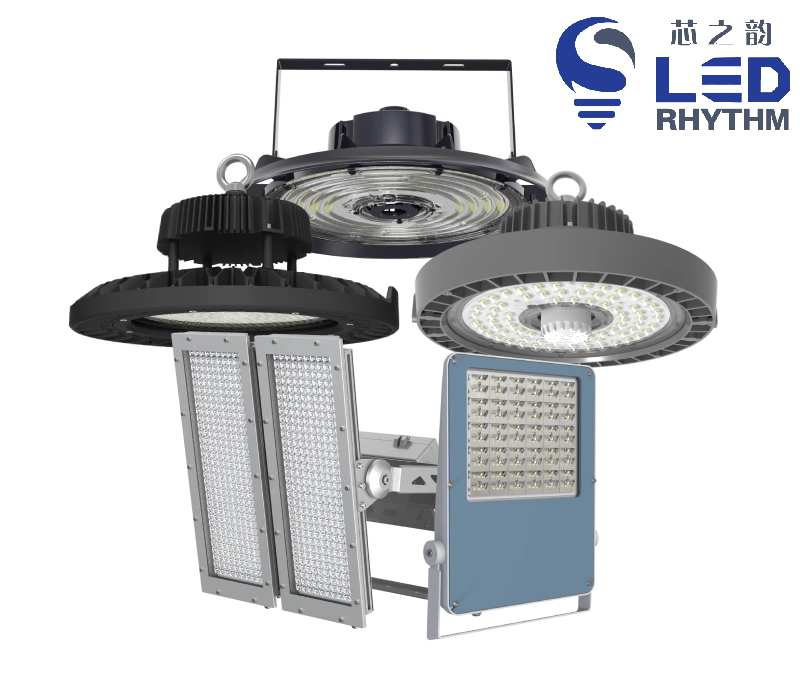
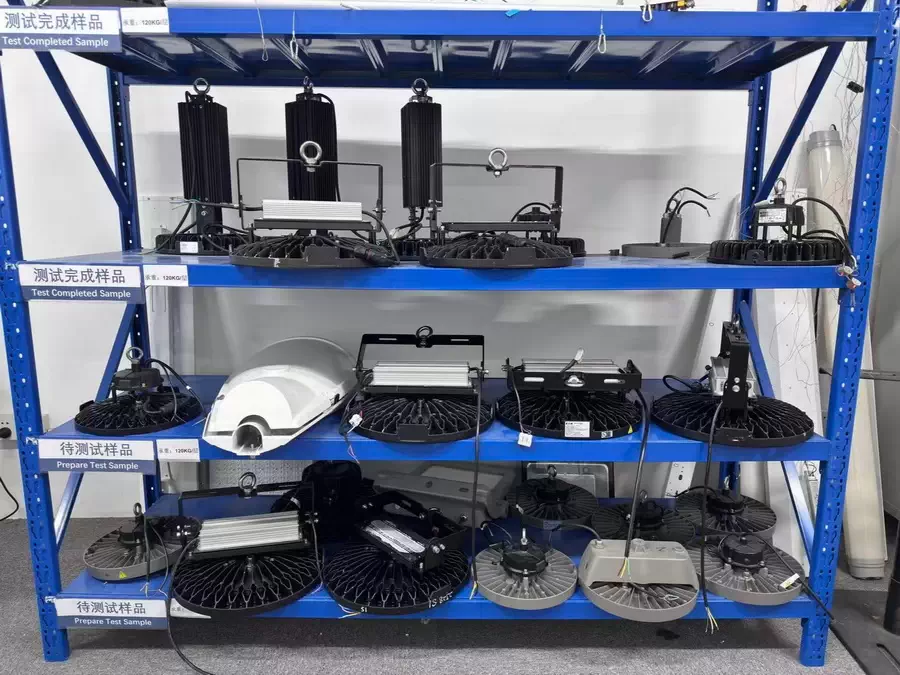
First, there’s the structure and materials. For LED lights with a power exceeding 150W, the lamp body typically needs a large-area heat dissipation structure and a high thermal conductivity die-cast aluminum shell to ensure effective temperature control during operation. Second, there’s the protection capability. Industrial LED lighting fixtures generally need to have an impact resistance rating of IK08 or higher and IP65 or higher, while also possessing a certain degree of corrosion resistance.
Electrical adaptability is also an important indicator. Industrial LED lights typically have wide voltage compatibility to adapt to different regions or unstable power supply conditions. Finally, their brightness performance can be observed; they should not only have high lumen output but also show no significant attenuation.
What are the advantages of using LEDs in industrial lighting?
- Significant energy savings: Compared to traditional MH or HPS, it can save 50% to 70% of electricity consumption.
- Extra-long lifespan: Industrial LED lighting has a standard lifespan of 50,000 to 100,000 hours, reducing the hassle of frequent replacements.
- Instant start-up and flicker-free operation: It reaches maximum brightness immediately upon power-on, with no flickering.
- Directional light distribution: Flexible optical design allows for precise control of light direction, reducing light waste and spillage.
- No ultraviolet or infrared radiation: Color temperature is selectable, and it will not cause thermal damage or aging to the illuminated objects.
- Wide operating temperature range: Can operate stably in extremely cold or hot environments.
- Polluting-free: Contains no harmful heavy metals such as mercury or lead, and is environmentally friendly after disposal.
Can industrial LED lights be used in hazardous locations?
Yes, but only if you choose industrial LED lights specifically designed for hazardous environments. For example, in areas with flammable gases or dust, explosion-proof types are required; in high-temperature factories, more heat-resistant high-temperature types are needed; and in corrosive environments, types with anti-corrosion coatings or corrosion-resistant materials are essential. We offer different types of lighting fixtures to suit these complex conditions, ensuring safe application in various hazardous locations.
What are the typical applications of LED industrial lighting?
| Environment |
Example Application |
Key Characteristics |
| High Temperature |
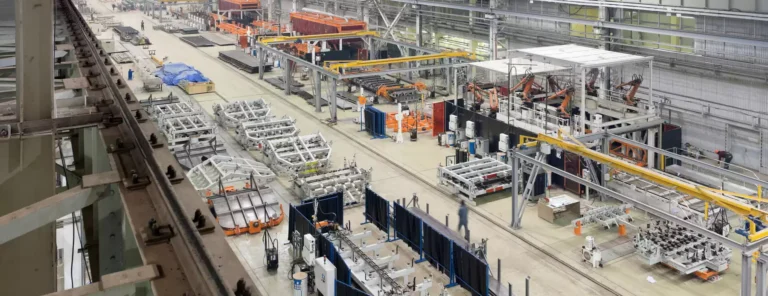
Steel Mill |
Extreme heat environment requiring strong thermal management |
| General Industrial |
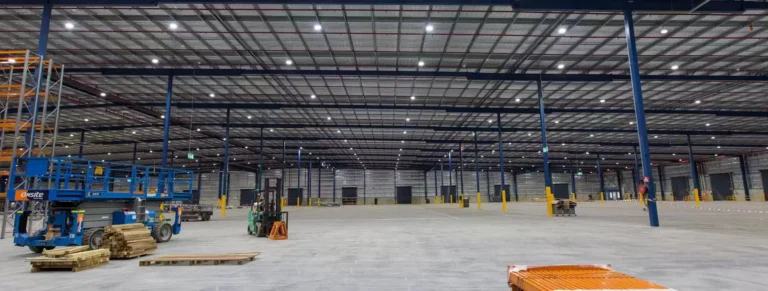
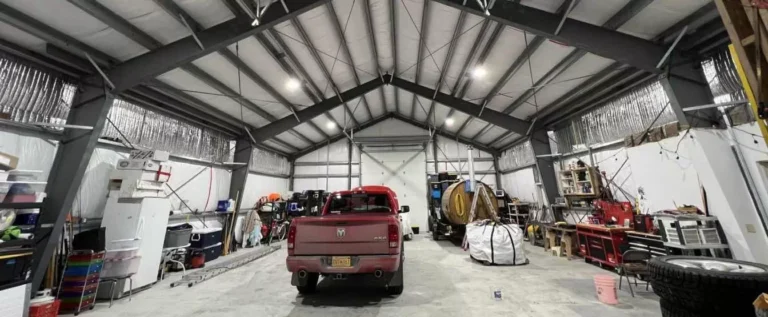
Warehouse |
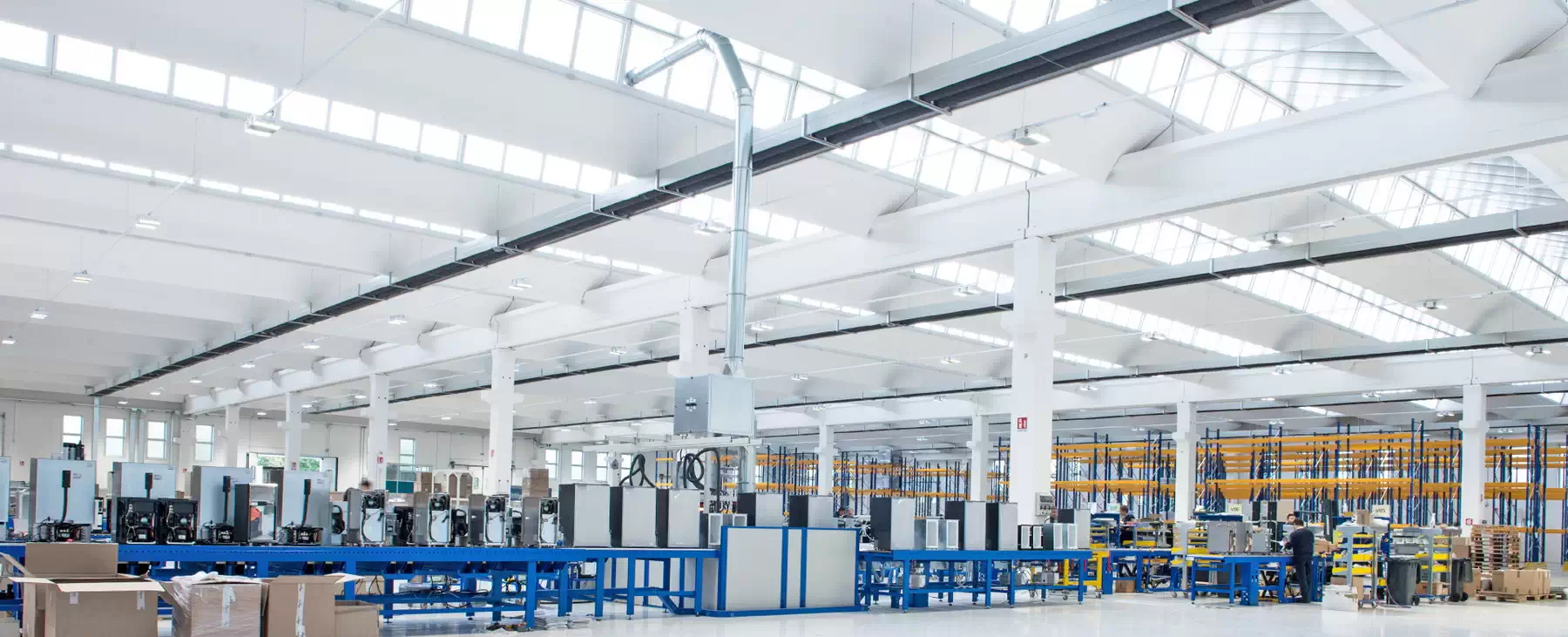
High ceiling space, high-bay |
| Humid Environment |
Wastewater Treatment Plant |
High humidity with moisture and corrosion risk, requiring IP65+ |
| Dusty Environment |
Cement Plant |
Heavy dust conditions, IP6X, easy clean |
| Corrosive Environment |
Chemical Plant |
Chemicals, corrosion-resistant housing |
| Explosive Environment |
Oil Refinery |
Flammable gas, explosion-proof certified |
| Vibration Area |
Stamping Workshop |
Frequent mechanical vibration requiring shock-resistant design |
| Low Temperature |
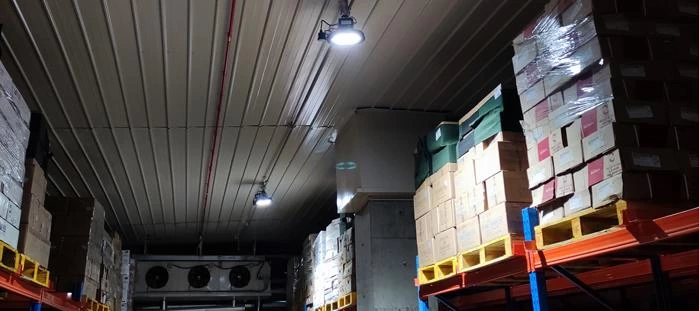
Cold Storage |
Below -25°C, cold start, anti-condensation |
| Outdoor Industrial |
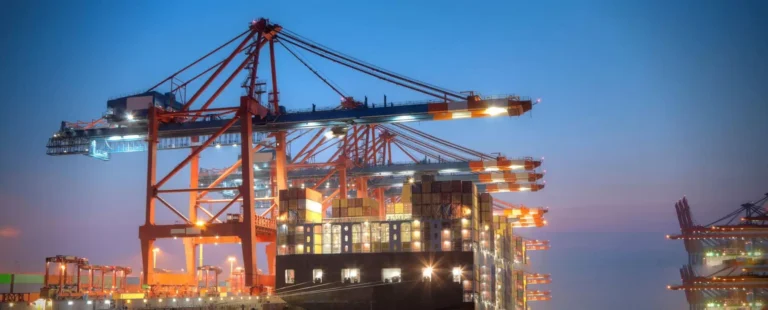
Port Terminal |
Exposed to rain, sea breeze, and ultraviolet radiation |
| Confined Space |
Ship Cabin |
Limited installation space |
| High Ceiling Area |
Airport Hall |
Very high mounting height requiring powerful and efficient lighting |
What is the equivalent power of industrial LED lighting and traditional?
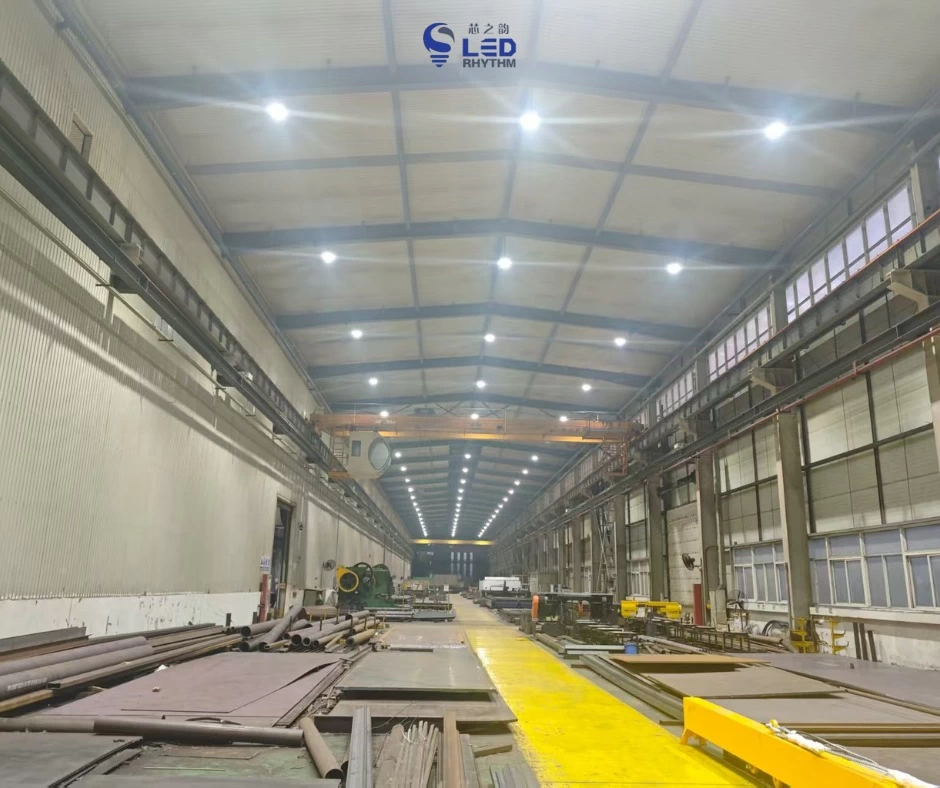
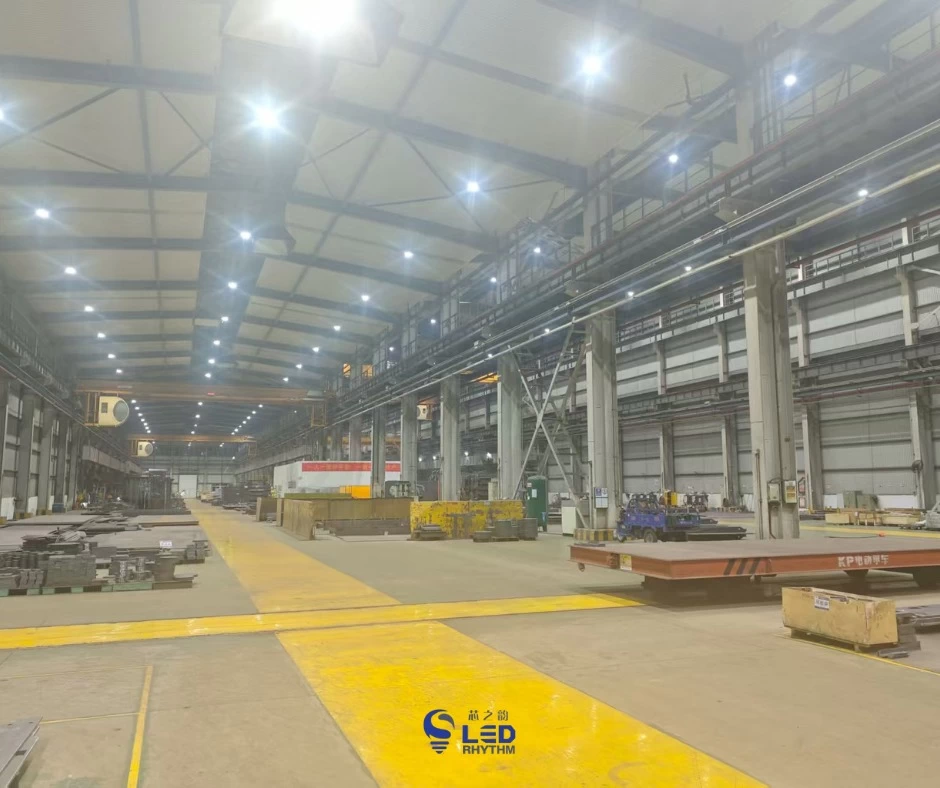
The high luminous efficacy of industrial LED lighting enables it to achieve the same or even higher brightness as traditional lamps at lower power. For example, a 150W LED high-bay light can typically replace a 250W–400W MH; while a 200W LED can replace a 500W–600W MH or HPS.
This equivalent replacement not only significantly reduces energy consumption, but also reduces the number of fixtures and lowers maintenance costs. When replacing LED, the equivalent power will vary depending on the luminous efficacy.
| Required Luminous Flux | LEDRHYTHM Industrial LED (190 lm/W) | Traditional MH / HPS (70 lm/W) |
|---|
| ≈ 20,000 lm | 100W | 250W |
| ≈ 40,000 lm | 200W | 500W |
| ≈ 60,000 lm | 300W | 750W |
| ≈ 80,000 lm | 400W | 1000W |
What is the best color temperature for industrial lighting?
In most LED industrial lighting, the color temperature is generally between 4000-6500 K. If below 4000 K, the light will be dim and yellowish, which is not conducive to work environments that require concentration. Higher color temperatures, on the other hand, can help improve productivity and maintain focus.
- 4000K to 5000K: Neutral white light, suitable for areas where visual comfort is important.
- 5000K to 6500K: Cool white light, closer to daylight, often used in high-precision areas, inspection areas, and spaces requiring high concentration.
How often do LED industrial lights need cleaning or maintenance?
They have a high protection performance and robust structure, effectively protecting their internal components and requiring less frequent maintenance. In harsh environments, such as those with high dust, high humidity, and strong corrosive conditions, cleaning should be done every 1-2 year. Other environments can be cleaned every 3-4 year.

 English
  简体中文
简体中文  Deutsch
  Español
  Français
  Italiano
  日本語
日本語  Русский
  Português
  한국어
한국어