
 English
  简体中文
简体中文  Deutsch
  Español
  Français
  Italiano
  日本語
日本語  Русский
  Português
  한국어
한국어 
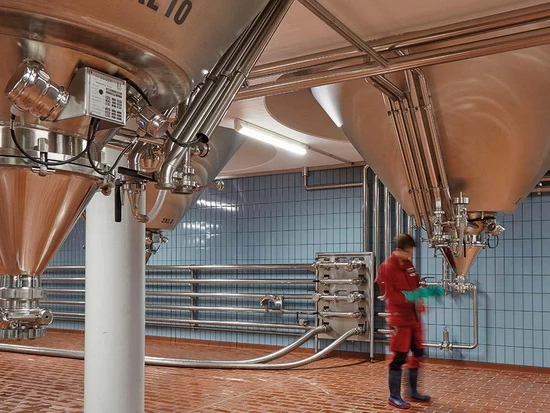
Brewery Lighting
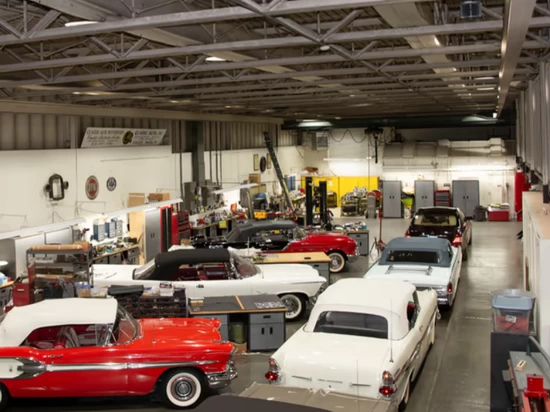
Auto Shop Lighting
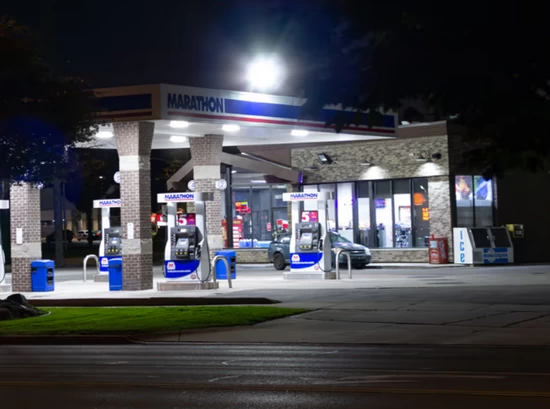
Gas Station Lighting
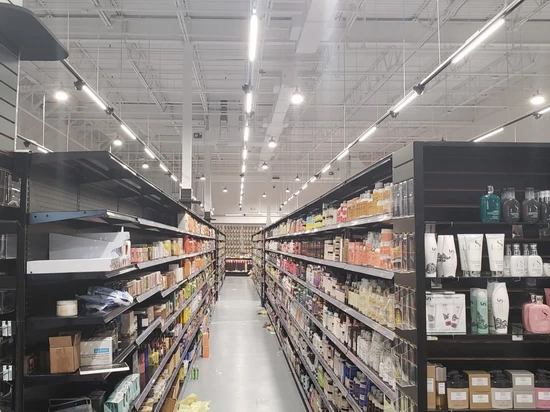
Grocery Store Lighting
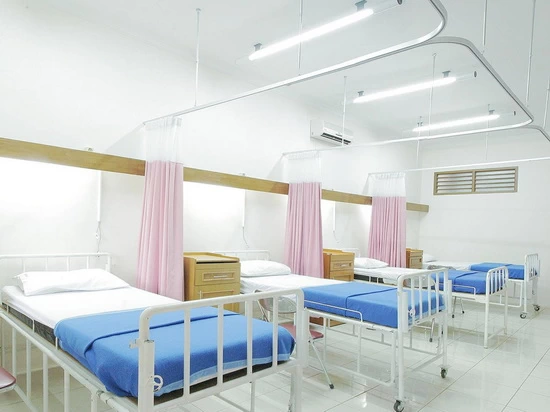
Hospital Lighting
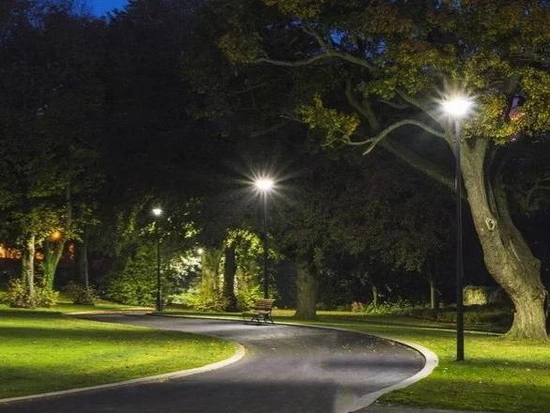
Landscape Lighting
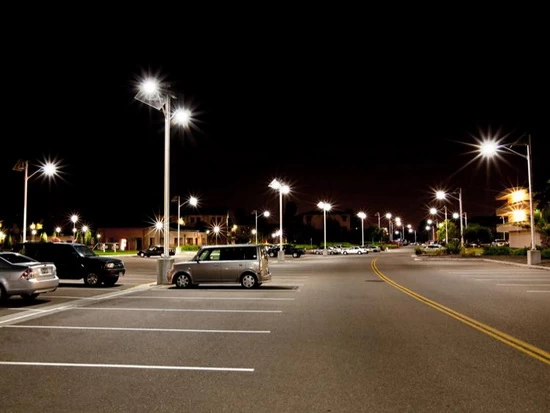
Parking Lot Lighting
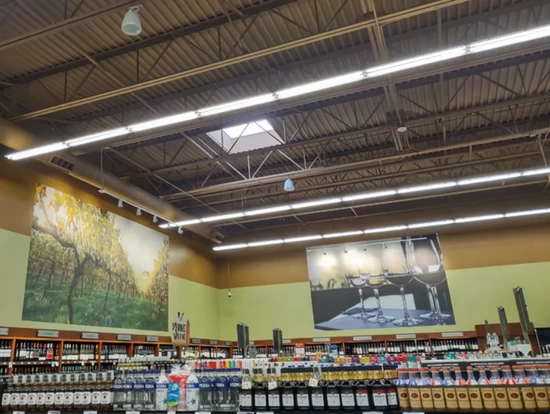
Retail Lighting
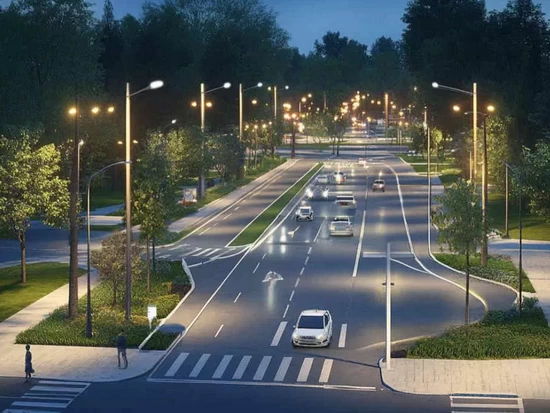
Road Lighting
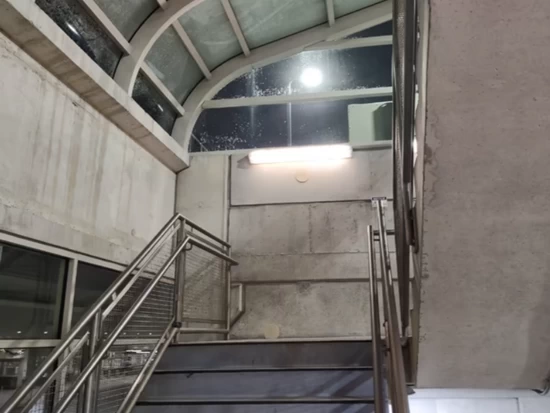
Stairwell Lighting
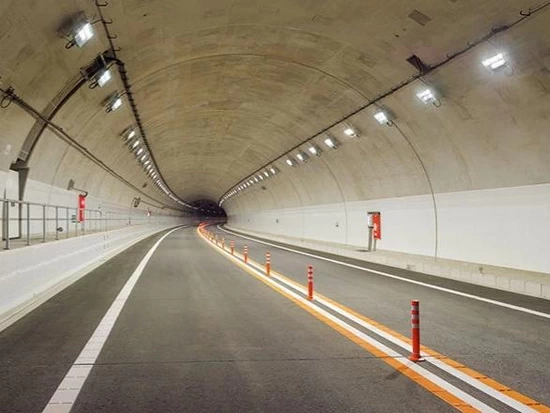
Tunnel Lighting
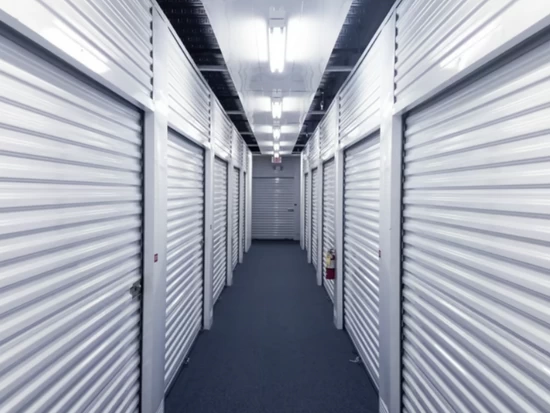
Storage Unit Lighting
Commercial lighting specifically refers to lighting for non-residential buildings, typically serving commercial buildings, large facilities, and various public activity spaces. These locations often have larger spaces and more complex environmental conditions. Unlike the warm and relaxing atmosphere of residential and home lighting, commercial lighting needs to provide higher and more stable lumen output. The overall structure is more robust and durable, and its installation height and optical control are optimized for the needs of large spaces.
From a functional perspective, commercial lighting goes beyond simply providing basic visible light; more importantly, it creates a clear and bright visual environment. Adequate illuminance helps improve work efficiency and reduce operational risks; appropriate lighting can improve spatial visibility and visual comfort, thereby enhancing the nighttime travel experience. As energy and maintenance costs rise, traditional light sources are being replaced by LEDs. LED technology offers significant advantages in energy saving, lifespan, and environmental friendliness, enabling commercial lighting systems to achieve lower energy consumption and longer-term stable operation while maintaining lighting quality.
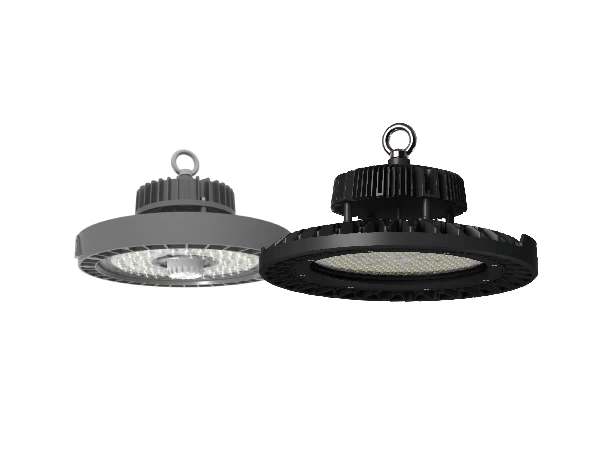
UFO LED High Bay Lights
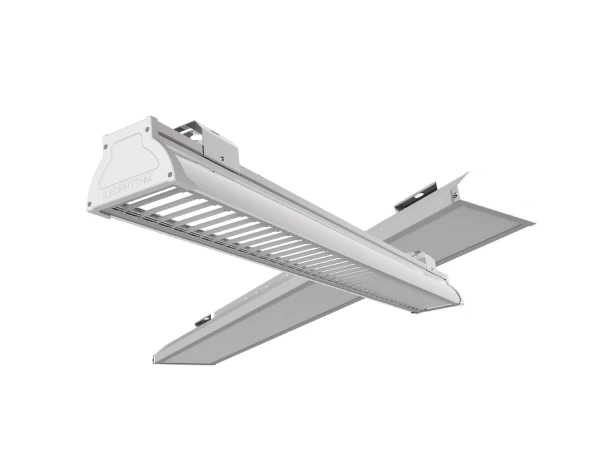
Linear LED High Bay Lights
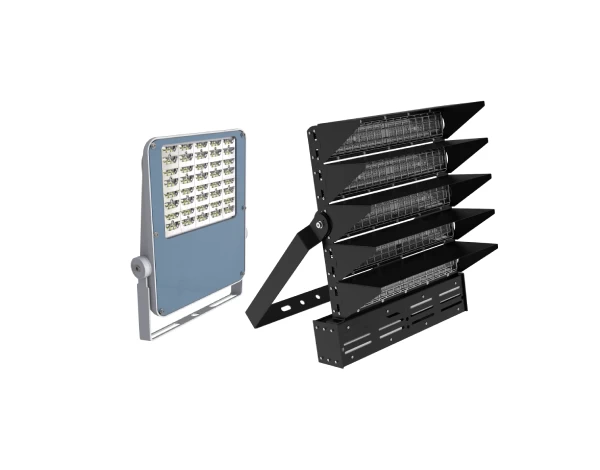
LED Flood Lights
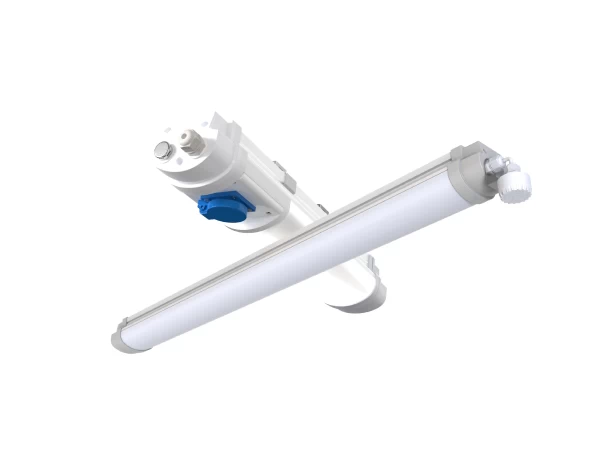
LED Vapor Tight Lights
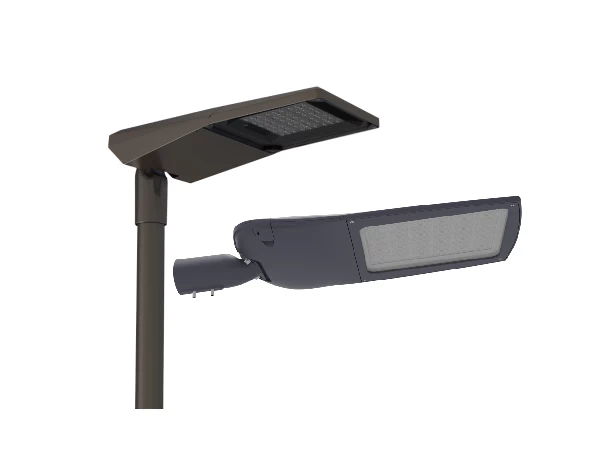
LED Street Lights
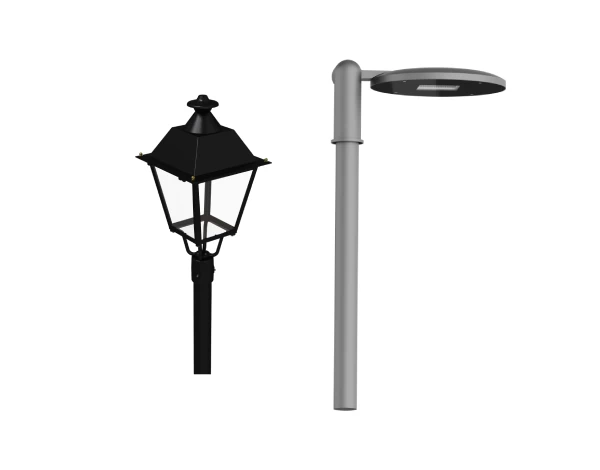
LED Post Top Lights
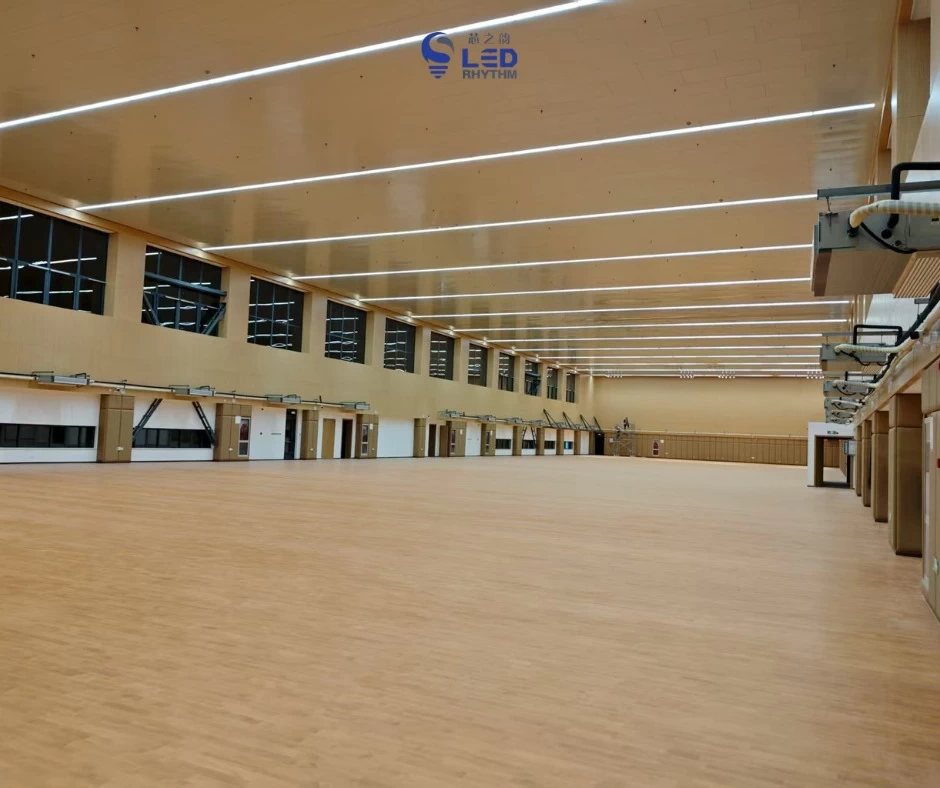
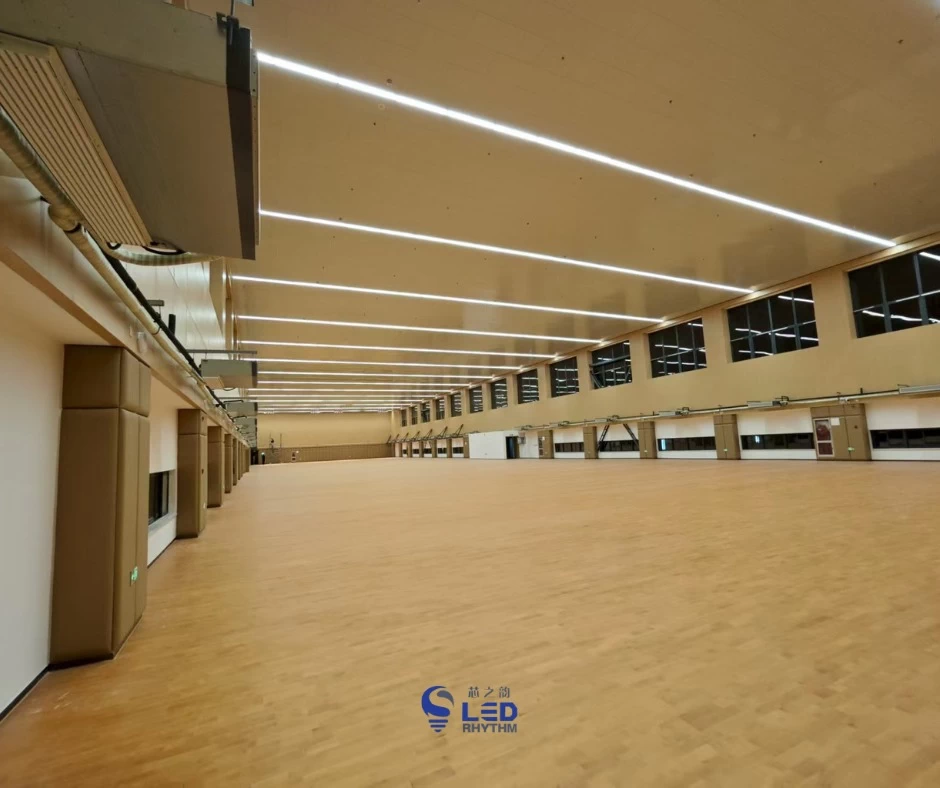
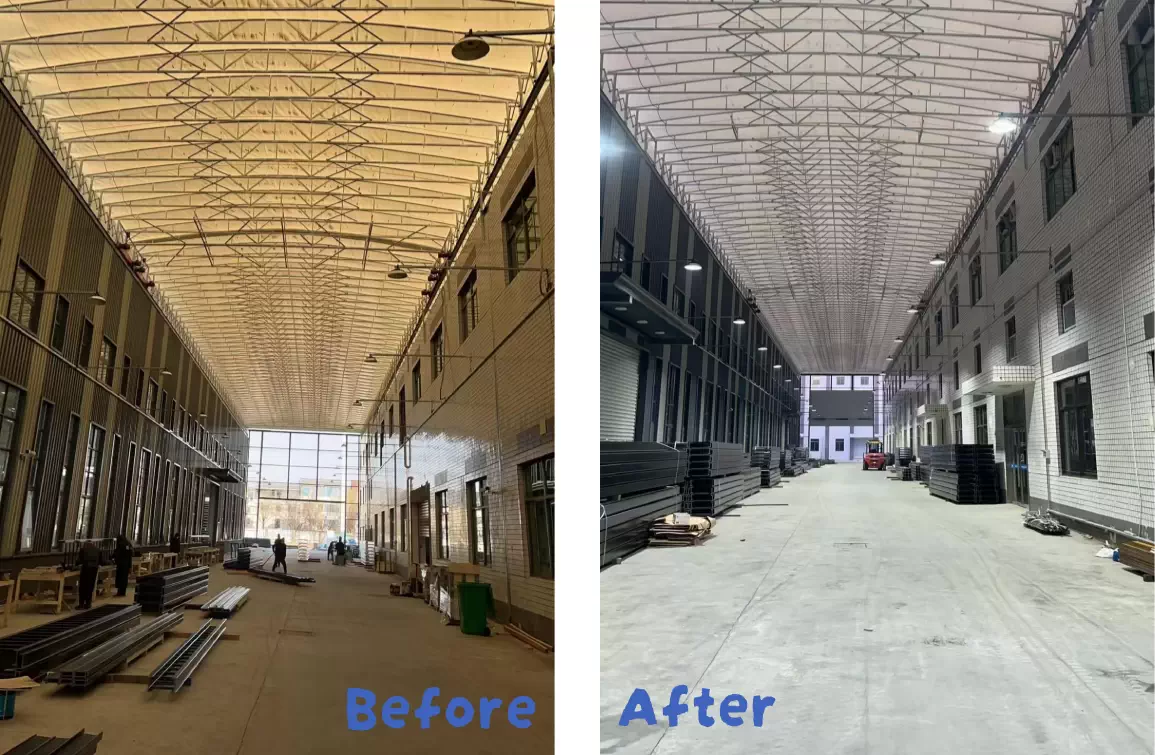
In the past, common light sources in commercial lighting systems were MH, HPS, or fluorescent lamps. While these could meet basic lighting needs, frequent bulb replacements and high energy consumption resulted in significant costs, which became major factors limiting the performance of the lighting system. LED retrofit and upgrade is the most economical and realistic option.
When existing lighting experiences a decrease in illuminance, persistently high energy consumption, increased frequency of lamp replacement, or difficulty in meeting current usage needs, the original system is no longer suitable for the current environment, making lighting retrofit and upgrading essential.
| Evaluation Dimensions | Diagnostic criteria | LED Upgrade recommended |
|---|---|---|
| Power Consumption | Monthly electricity bills remain high, and lighting fixtures generate a lot of heat. | LED can save 50%-70% of electricity, resulting in an immediate reduction in electricity costs. |
| Maintenance Costs | The lights are installed too high; replacing a light requires hiring a lift truck, closing the business, or blocking the road. | LEDs have a lifespan of over 50,000 hours, achieving maintenance-free and replacement-free operation. |
| Lighting Effect | The light is yellowish and dim, making it difficult to see clearly; the surveillance footage is blurry and flickering. | High color rendering index and high color temperature LEDs improve visual clarity. |
| Start-up performance | MH take 5-10 minutes to reach maximum brightness after being turned on; frequent switching can damage them. | LEDs provide instant illumination and can be used with sensor control. |
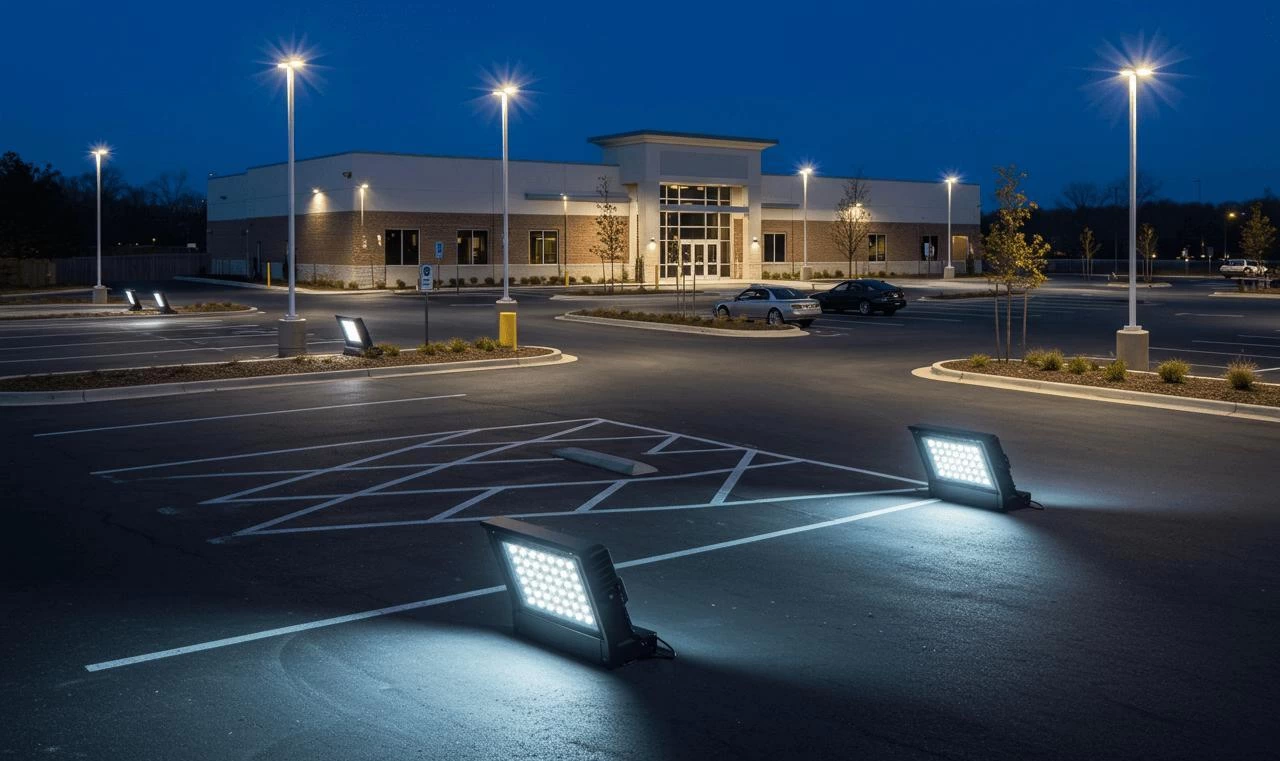
Commercial LED lighting retrofit doesn’t necessarily require completely overhauling the existing system. For most applications, we offer a wide input voltage range of 100V to 480V, allowing for LED upgrades while preserving the original wiring. Then, simply select the appropriate power and light distribution.
After LED retrofitting, the changes to the lighting system are usually multifaceted. Not only does overall energy consumption decrease significantly, but lumen output also becomes more stable, with less light decay under high-intensity operation. Simultaneously, the frequency of luminaire maintenance is significantly reduced, helping to minimize operational intervention. For visual perspective, more uniform light and more stable brightness output also simultaneously improve both safety and activity experience in commercial spaces. Taking a typical 400W MH as an example, which is equivalent to a 150W LED high bay light:
| Comparison Item | 400W Metal Halide | 150W LED High Bay | Conclusion |
|---|---|---|---|
| Actual Power Consumption | Approx. 450W–480W (including ballast loss) | 150W | Up to 68% energy saving |
| Annual Energy Consumption | Approx. 4,200 kWh | Approx. 1,300 kWh | Saves about 2,900 kWh per light per year |
| Lumen Maintenance | Significant lumen depreciation after 2,000 hours | Maintains >80% lumen output after 50,000 hours | More stable output, reduced replacement frequency |
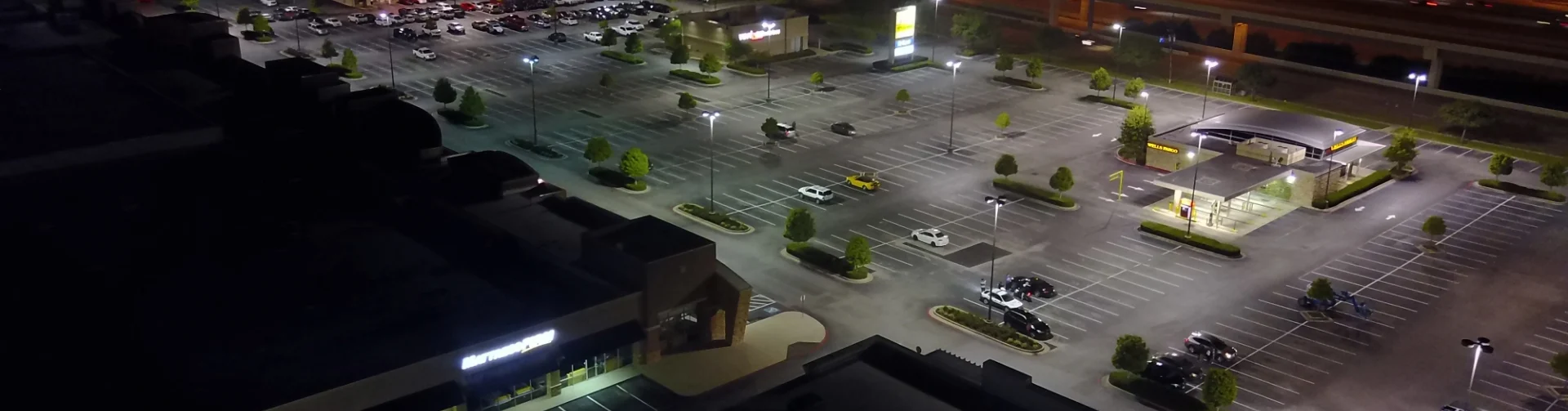
Commercial LED lighting solutions are not just about choosing luminaires, but a process of systematically designing the lighting environment based on specific usage needs and application scenarios. Residential and home lighting spaces are limited, and needs are simple, so there’s no need for specially designed solutions. A complete commercial lighting solution typically requires determining the type of luminaire, target illuminance, installation height, spacing, and comprehensive control over uniformity and glare. LEDRHYTHM can provide you with free solutions; please contact us at any time for the following information.
- Precise luminaire selection: Based on the height of the commercial building, environmental conditions (waterproof, dustproof, corrosion-resistant), and work requirements, we match the most suitable beam angle, power, protection level, and installation method.
- Scientific layout design: Using professional lighting simulation software (such as DIALux), the spacing, installation height, and projection angle of the luminaires are pre-calculated to ensure uniform light spot overlap and eliminate dark areas.
- Specific illuminance targets: Based on industry standards or international lighting standards, or according to your specific needs, we set reasonable illuminance, uniformity, and glare index.
- In-depth application matching: Ensuring integration with the usage characteristics of the scene, such as high uniformity in shop, low glare in stadium, high CRI requirements in hospital clinics, and enhanced lighting at tunnel entrances.
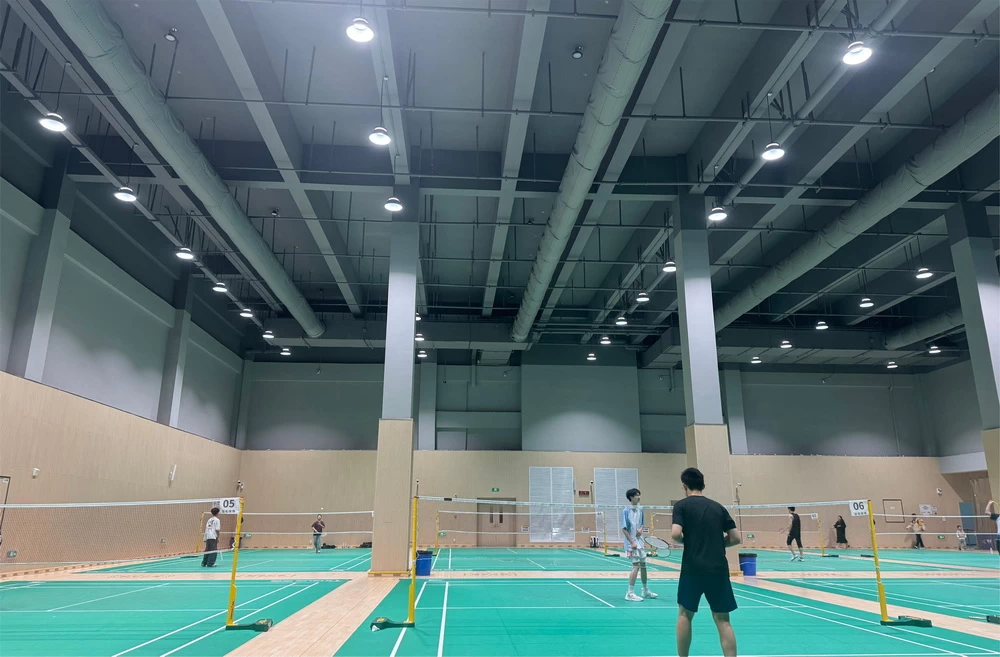
For illuminance, such as in shops or other indoor commercial applications, are typically between 100lx and 500 lx, while outdoor parking lots or event areas are mostly in the range of 20lx to 100 lx. The choice of luminaire type should be considered in conjunction with installation height and spatial structure. High-bay lights are suitable for most large indoor spaces to improve light utilization; when installation height is limited or visual comfort needs to be improved, linear luminaires or additional lampshades can be used to optimize light distribution.
In terms of layout design, there is a direct relationship between installation height and luminaire spacing. Generally, the higher the installation height, the larger the coverage area of a single fixture, but the more stringent the requirements for power and beam angle. In some commercial building lighting with high ceilings, extending the suspension to lower the installation position can maintain illuminance and uniformity without increasing luminaire power.
When the area requiring illumination is high and long, simply increasing the power will not solve the problem. The key is to use linear LEDs combined with narrow beams to concentrate the light and control lateral spill. Therefore, a true solution is one that understands different commercial buildings and achieves the desired lighting effect.